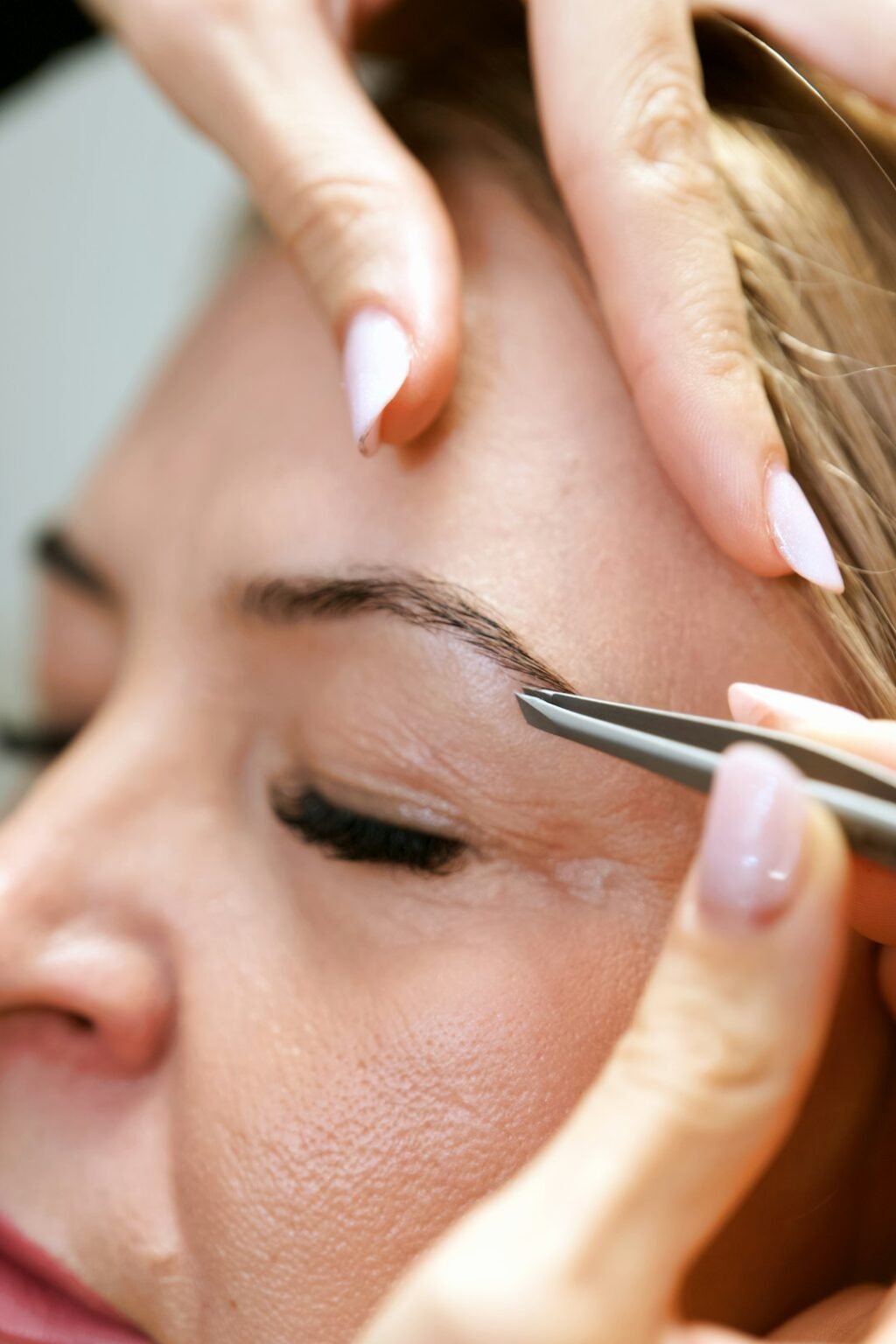
Tweezers are one of the smallest tools in a beauty kit, yet they decide whether your brows look clean and natural or patchy and over-plucked. The right pair grips even the finest, shortest hair at the root without snapping it; the wrong pair slips, breaks hairs and leaves ingrowns. This guide compares every tweezer tip type, explains what separates a good pair from a cheap one, gives a step-by-step tweezing method that hurts less, and shows how to clean, sharpen and store tweezers so they last for years.
6 Types of Tweezers and What Each Is For
| Tweezer type | Tip shape | Best for | Skill level |
|---|---|---|---|
| Slanted (angled) | Wide, angled edge | Everyday brow shaping, most facial hair | Beginner |
| Pointed (needle-nose) | Fine sharp points | Ingrown hairs, very short or fine hairs, splinters | Advanced (can nick skin) |
| Point-slant | Narrow angled tip | Precise shaping plus stubborn short hairs | Intermediate |
| Flat (square tip) | Straight wide edge | Thick or coarse hair, removing several hairs at once | Beginner |
| Round tip | Rounded edge | Nose hair, sensitive areas, children’s splinters | Beginner |
| Lash tweezers (curved or straight) | Ultra-fine, often curved | Applying strip lashes, lash clusters and extensions | Intermediate |
If you only buy one pair, choose slanted tweezers. Add a pointed pair if you deal with ingrown hairs, and a lash tweezer if you wear false lashes.
What Makes Good Tweezers?
- Stainless steel: rust-resistant, easy to disinfect and holds an edge. Avoid soft, coated metals.
- Perfectly aligned tips: hold them up to the light and close them; you should see no gap.
- Hand-filed edges: sharp enough to grip a single hair without cutting it.
- Balanced tension: easy to squeeze but springs back firmly.
- Comfortable grip: textured sides or a length of around 9–10 cm for control.
- Sharpening guarantee: some premium brands resharpen for free.
How to Use Tweezers on Eyebrows (Step by Step)
- Prep after a warm shower. Warmth opens follicles so hair releases more easily.
- Disinfect the tweezer tips and your skin with rubbing alcohol.
- Map your brows. Hold a pencil vertically from the side of your nose to find the start, through the pupil for the arch, and from the nostril past the outer eye corner for the tail.
- Brush hairs up with a spoolie so you can see the natural shape.
- Pull skin taut with your free hand.
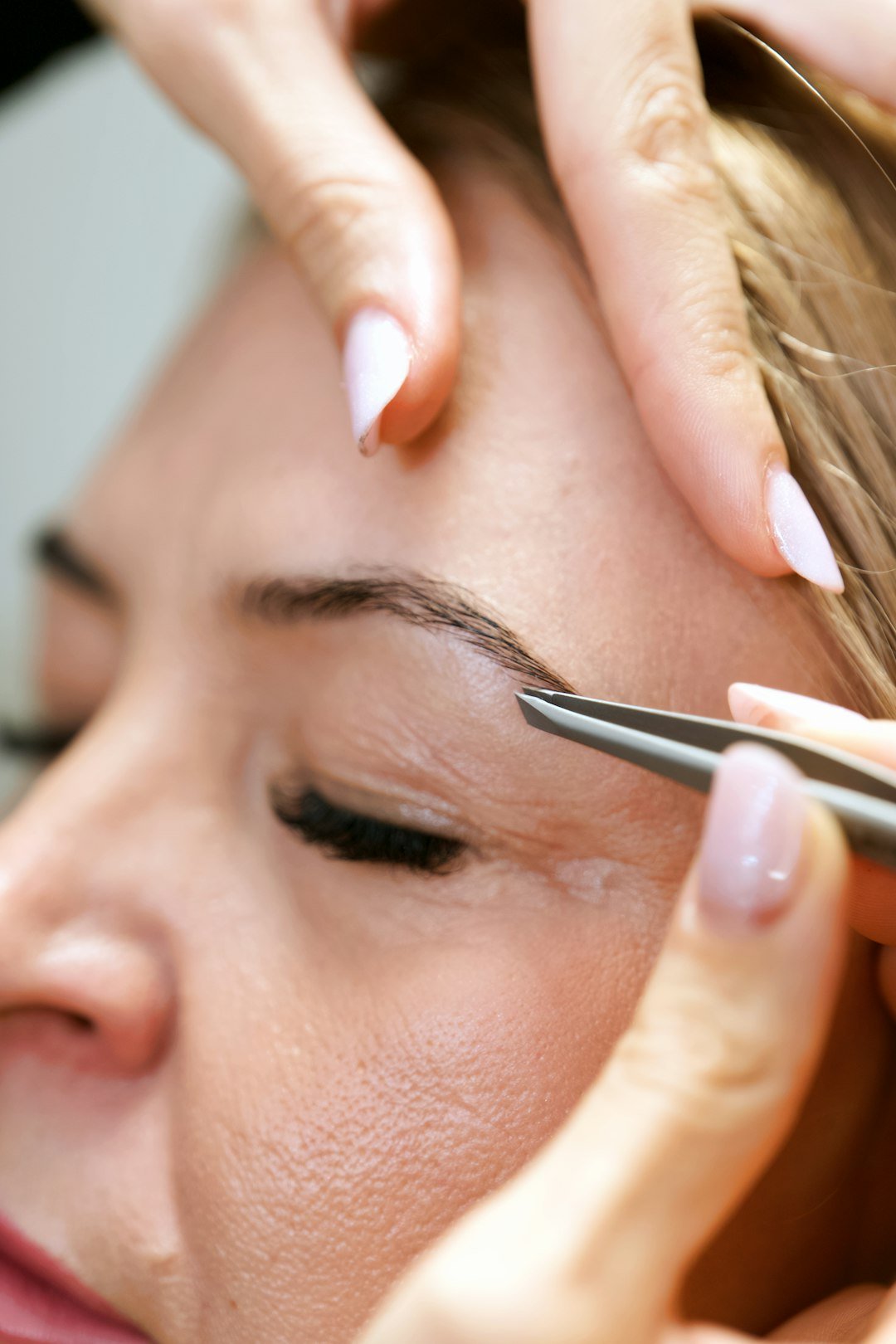
- Grip at the root and pull quickly in the direction of growth, one hair at a time.
- Work from underneath and step back to the mirror often to keep both brows even.
- Soothe with aloe vera or a cold compress afterwards.
7 Ways to Make Tweezing Hurt Less
- Tweeze after a shower or apply a warm cloth for two minutes.
- Avoid tweezing in the days before your period, when many people feel more pain.
- Numb the area with an ice cube wrapped in cloth or an over-the-counter numbing gel.
- Keep skin stretched tight.
- Pull quickly and in the direction of growth.
- Use sharp, aligned tweezers so you don’t need several attempts.
- Tweeze little and often instead of in one long session.
How to Clean and Sanitise Tweezers
Bacteria from skin and hair sit on the tips, which can lead to breakouts or infected ingrowns. Wipe the tips with 70% isopropyl alcohol before and after every use. Once a week, wash them in warm soapy water, dry completely and wipe with alcohol again. Never share tweezers.
How to Sharpen Tweezers at Home
- Use fine sandpaper (around 400–600 grit) or a nail file.
- Close the tweezers and gently run the outer edge of the tips across the surface 5–10 times.
- Open slightly and lightly file the inner edges.
- Test on a single hair or a strand of thread; repeat if it slips.
- Disinfect before using.
If the tips are bent or no longer meet, replace the tweezers. Store them with a tip cover and never drop them; a single fall can misalign the tips.
Tweezing Mistakes to Avoid
- Using a magnifying mirror too close, which leads to over-plucking.
- Plucking above the brow line instead of mostly below.
- Digging into skin for ingrown hairs; this causes scars and infection.
- Tweezing moles, irritated skin or acne.
- Tweezing after retinoid use without caution, as skin may be fragile.
Tweezers vs Threading vs Waxing
| Method | Precision | Pain | Results last | Cost |
|---|---|---|---|---|
| Tweezing | Very high | Moderate | 3–8 weeks | One-off tool cost |
| Threading | High | Moderate | 3–6 weeks | Salon fee |
| Waxing | Medium | Quick sting | 3–6 weeks | Salon or kit |
Find more beauty how-tos on our blog, and if you want fuller lips to balance freshly shaped brows, read our lip flip before and after guide.
Tweezers FAQs
How often should I replace tweezers?
Good stainless-steel tweezers can last years with sharpening. Replace them when tips are bent, rusty or won’t grip after sharpening.
Does tweezing make hair grow back thicker?
No. Regrowth may feel coarser because the tip is blunt, but tweezing doesn’t change thickness. Repeated plucking over years can actually make some hairs stop growing.
Can I tweeze nose hair?
It’s better to trim it. Plucking nose hair can cause painful infections inside the nose.
Which tweezers do professionals use?
Most brow artists use hand-filed stainless-steel slanted tweezers for shaping and pointed ones for detail work.
Sources