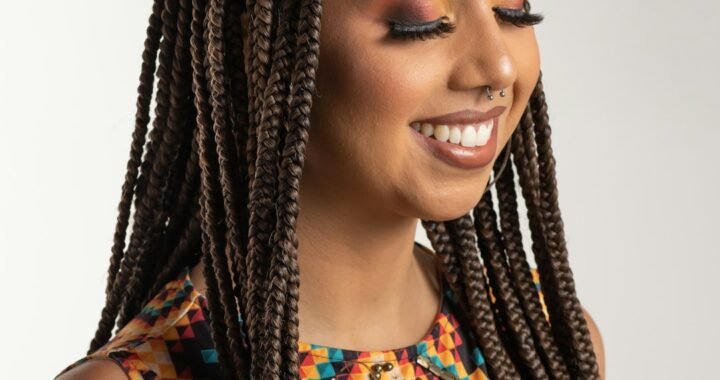
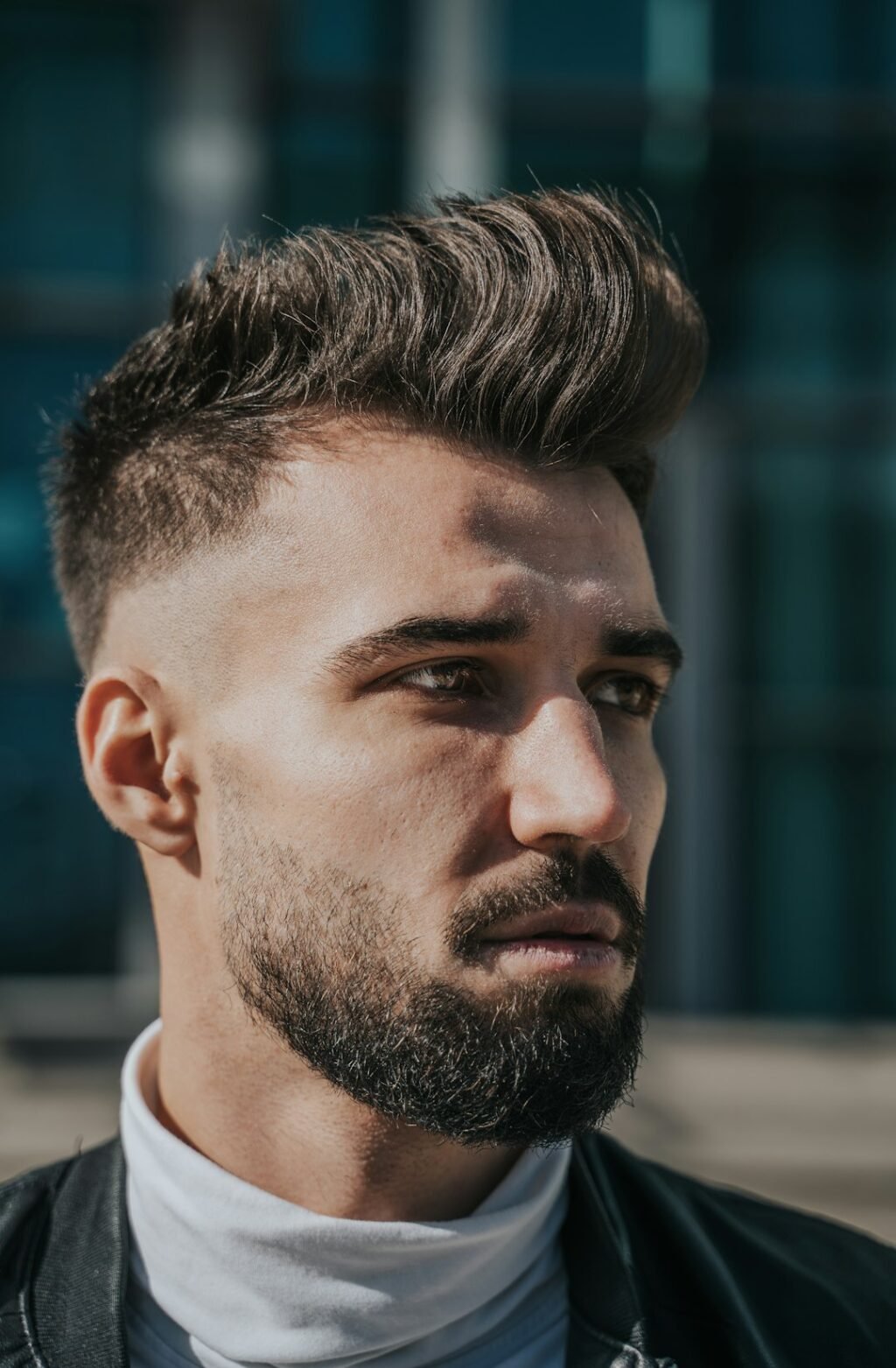
A widow’s peak is a V-shaped point where the hairline dips down in the centre of the forehead. Many people are born with one, some develop a more visible point as the temples recede with age, and it’s often admired as a striking, symmetrical feature. This guide explains what causes a widow’s peak, how to tell it apart from a receding hairline, the old myths, the best hairstyles for men and women, and options if you’d like to soften or reshape it.
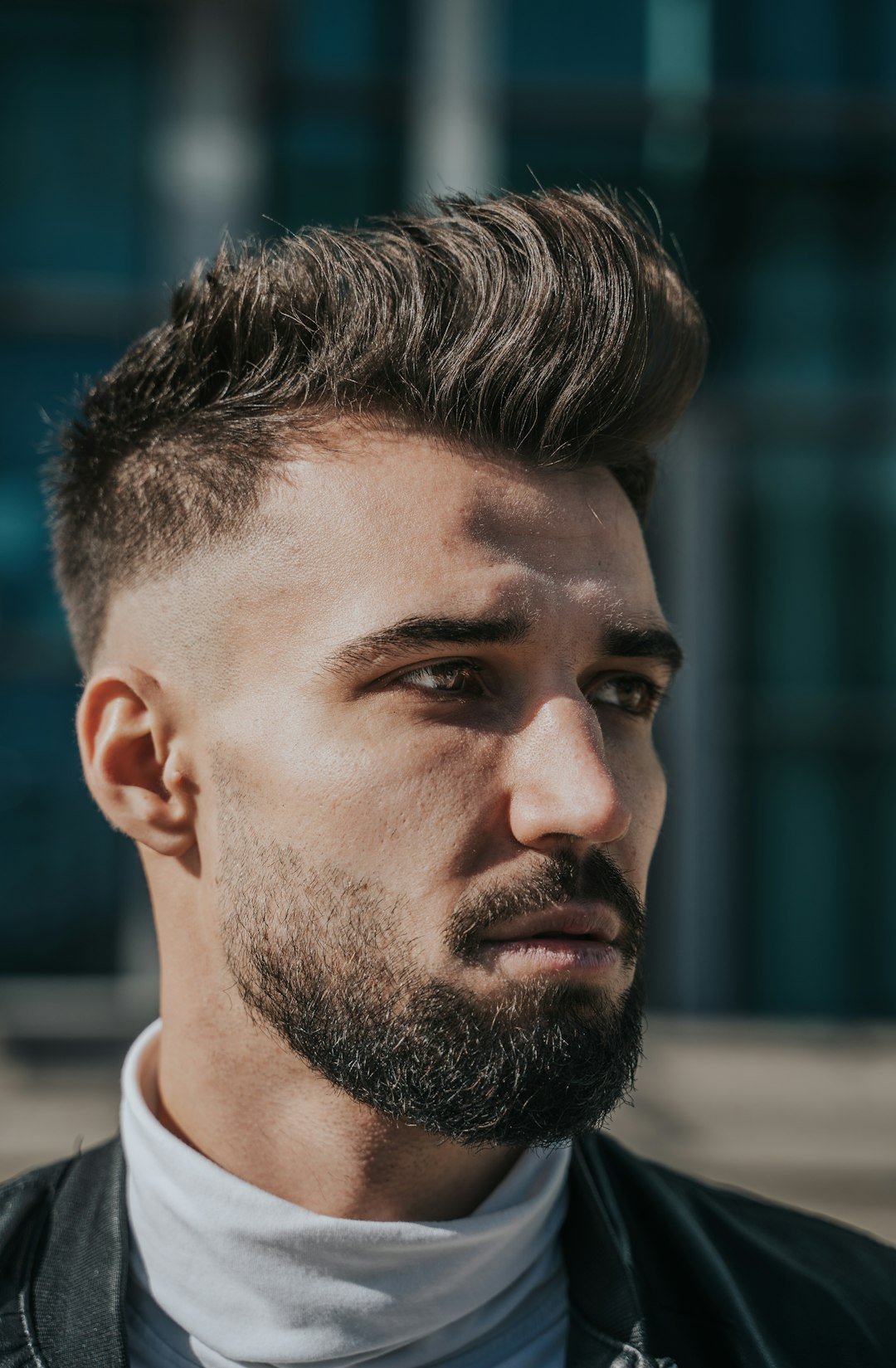
What Causes a Widow’s Peak?
- Genetics: hairline shape tends to run in families. It was once taught as a simple single-gene trait, but it’s now thought to be influenced by several genes.
- Hairline maturation: many men’s hairlines move up slightly in their late teens and 20s, making a central point more noticeable.
- Male pattern hair loss: receding temples can create a pronounced “V” or a central island of hair.
- Rare genetic syndromes: in a few conditions a widow’s peak is one of several features, but on its own it’s almost always normal.
Widow’s Peak vs Receding Hairline
| Natural widow’s peak | Receding hairline | |
|---|---|---|
| When it appears | Present since childhood or adolescence | Develops over time, often from 20s |
| Temples | Stable | Gradually move back |
| Hair density | Normal at the front | Thinner, finer hairs at the edges |
| Change over a year | Little | Noticeable in photos |
Tip: compare photos from a few years apart. If your temples are moving back and front hairs are miniaturising, see a dermatologist early, as treatments work best before significant loss.
Myths About the Widow’s Peak
The name comes from an old superstition linking the pointed hairline to the peaked hood once worn by mourning widows, suggesting early widowhood. There’s no truth in it. A widow’s peak says nothing about personality, luck or health.
12 Best Hairstyles for a Widow’s Peak
Men
- Slicked-back hair to show off the point
- Textured crop with a short fringe to soften it
- Buzz cut for a clean, bold look
- Quiff or pompadour swept up and back
- Side part placed slightly off the peak
- Messy fringe brushed forward
Women
- Sleek high ponytail or bun highlighting the hairline
- Curtain bangs that part naturally at the peak
- Side-swept fringe
- Middle-part waves
- Pixie with textured front
- Half-up styles
Heavy, blunt straight-across bangs can be tricky, because hair at the peak often grows in a different direction and sticks up.
Can You Change a Widow’s Peak?
| Option | Effect | Notes |
|---|---|---|
| Styling | Hides or softens | Free and reversible |
| Laser hair removal | Removes the point permanently | Works best on dark hair; several sessions |
| Waxing / threading / shaving | Temporary reshaping | Regrowth can look stubbly |
| Hair transplant | Fills in the sides to straighten the line | Surgical; for receding temples |
| Hairline tattoo (scalp micropigmentation) | Creates the illusion of fuller hairline | Semi-permanent |
More hair and face guides are on our blog, and our lip flip before and after guide covers subtle facial refresh options.
Widow’s Peak FAQs
Is a widow’s peak rare?
No. Studies suggest a noticeable widow’s peak is reasonably common, especially in men, though estimates vary.
Does a widow’s peak mean I’ll go bald?
Not necessarily. A natural peak isn’t a sign of baldness; watch for receding temples and thinning instead.
Can women have a widow’s peak?
Yes. Many women have one, and it’s often considered a flattering, heart-shaped hairline.
Why does the hair at my widow’s peak stick up?
Hairs at the peak often grow from a cowlick-like whorl. Blow-drying them flat in the direction you want helps.
Sources