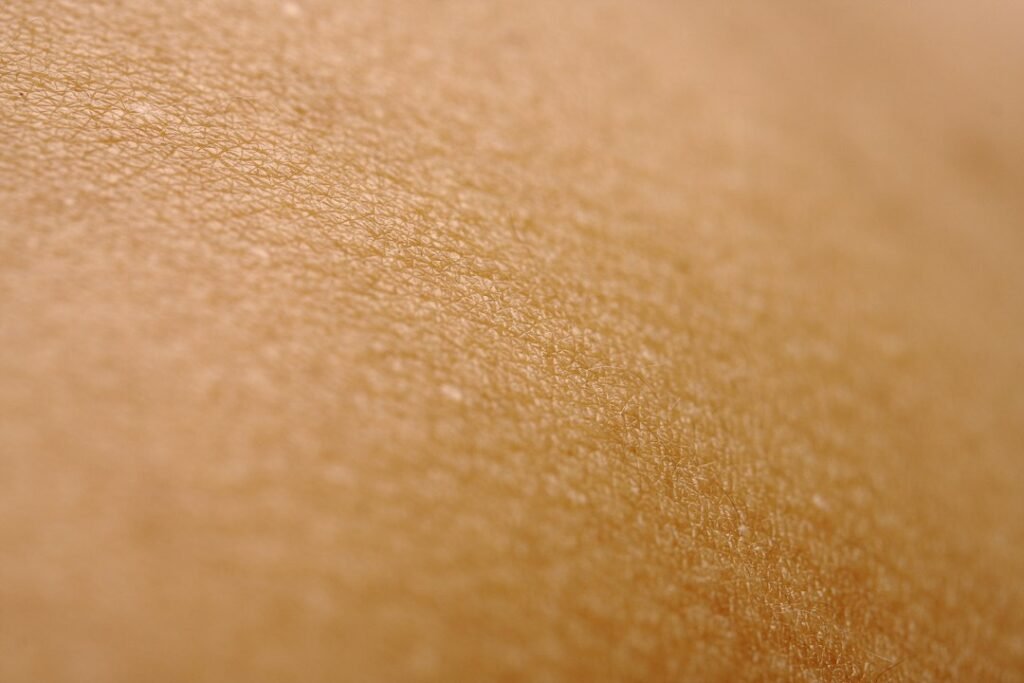
Chicken skin is the common name for keratosis pilaris (KP), a harmless condition that causes small, rough bumps that look and feel like goosebumps or plucked chicken skin. It usually appears on the backs of the upper arms, thighs, buttocks and sometimes the cheeks. It isn’t contagious or dangerous, but many people want smoother skin. This guide explains what causes chicken skin, the types, nine treatments that help, a simple routine, and what makes it worse.
General information only. See our medical disclaimer.
What Causes Chicken Skin?
Keratosis pilaris happens when keratin, a protective protein, builds up and plugs hair follicles. The plugs form tiny bumps, sometimes with redness or brownish discoloration around them. It tends to run in families and is more common in people with dry skin, eczema, hay fever or asthma. It often appears in childhood, peaks in the teens and commonly improves with age.
Types of Keratosis Pilaris
| Type | Appearance |
|---|---|
| Keratosis pilaris (classic) | Skin-coloured or white rough bumps |
| KP rubra | Red, inflamed bumps |
| KP alba | Rough, non-irritated bumps |
| KP on the face (rubra faceii) | Red cheeks with tiny bumps |
9 Treatments for Chicken Skin
- Urea cream (10–20%): softens keratin and hydrates.
- Lactic acid / ammonium lactate (around 12%): gentle chemical exfoliation plus moisture.
- Salicylic acid washes or lotions: dissolve follicle plugs.
- Glycolic acid body lotions.
- Topical retinoids (adapalene, tretinoin) for stubborn bumps, under medical advice.
- Thick, fragrance-free moisturisers with ceramides, applied right after showering.
- Short, lukewarm showers with a gentle cleanser.
- Mild steroid creams for short periods if very red and itchy (doctor-guided).
- Lasers or light therapy (vascular laser, laser hair removal) for persistent redness or bumps.
Simple Chicken Skin Routine
| When | Step |
|---|---|
| Shower (daily) | Lukewarm water; salicylic acid body wash on bumpy areas 2–3 times a week |
| Right after | Urea or lactic acid lotion on damp skin |
| Night | Extra moisturiser on dry areas |
| Weekly | Gentle exfoliation with a soft washcloth |
| Winter | Run a humidifier |
Expect improvement in 4–8 weeks. Because KP is a long-term tendency, stopping treatment usually lets bumps return, so keep a maintenance routine.
What Makes Chicken Skin Worse?
- Harsh scrubbing, loofahs and rough scrubs, which inflame the skin.
- Picking or squeezing bumps, which can cause scars and dark marks.
- Hot showers and dry winter air.
- Tight, synthetic clothing that rubs.
- Shaving against the grain over bumps.
See a dermatologist if bumps are very itchy, widespread, painful or not improving. More skin guides are on our blog, and our lip flip before and after guide covers subtle facial treatments.
Chicken Skin FAQs
Will chicken skin go away on its own?
It often fades with age, especially after the 20s, but treatment speeds up smoother skin.
Can diet cure keratosis pilaris?
There’s no proven diet cure. Some people notice improvement with overall skin health, but topical care is the main treatment.
Does sun help chicken skin?
Many people notice KP improves in summer due to humidity, but always protect skin with sunscreen.
Is dry brushing good for chicken skin?
Very gentle brushing may help some, but aggressive brushing irritates KP. Chemical exfoliants are usually better.
Sources