Searching for the best toothpaste can be overwhelming: whitening, sensitive, enamel repair, charcoal, fluoride-free, hydroxyapatite. The truth is that the “best” toothpaste is the one that matches your mouth’s needs and that you use correctly twice a day. This guide breaks down every major type, the active ingredients that actually work, who each one suits, what to avoid, and the brushing habits dentists recommend.
General information only. Ask your dentist which toothpaste suits you. See our medical disclaimer.
What Makes the Best Toothpaste? Key Ingredients
| Ingredient | What it does | Evidence |
|---|---|---|
| Fluoride (sodium fluoride, stannous fluoride, MFP) | Strengthens enamel, prevents cavities | Very strong; recommended by dental associations worldwide |
| Stannous fluoride | Cavity protection plus anti-gingivitis and sensitivity relief | Strong |
| Potassium nitrate | Calms nerve endings for sensitivity | Strong |
| Arginine | Blocks dentin tubules for sensitivity | Good |
| Nano-hydroxyapatite | Remineralises enamel; fluoride-free option | Growing, promising |
| Hydrogen or carbamide peroxide | Lightens stains | Modest at toothpaste strength |
| Silica / mild abrasives | Removes surface stains | Effective; avoid very high abrasiveness |
| Activated charcoal | Marketing “detox” whitening | Weak; can be abrasive |
Look for a product with an official approval seal where available, such as the American Dental Association (ADA) Seal of Acceptance in the US, and fluoride content of around 1,000–1,500 ppm for adults unless your dentist suggests otherwise.
Best Toothpaste by Need
| Your need | Choose | Why |
|---|---|---|
| Everyday cavity protection | Standard fluoride toothpaste | The most proven protection |
| Sensitive teeth | Potassium nitrate, stannous fluoride or arginine formulas | Reduce pain from hot, cold and sweet |
| Bleeding gums / gingivitis | Stannous fluoride | Antibacterial action on plaque |
| Whitening | Peroxide or low-abrasion whitening paste | Lifts surface stains; won’t change natural shade much |
| Enamel erosion | Stannous fluoride or hydroxyapatite | Strengthens weakened enamel |
| Fluoride-free preference | Nano-hydroxyapatite | Best-studied fluoride alternative |
| Dry mouth | SLS-free, mild-flavour formulas | Less irritation |
| Mouth ulcers | SLS-free toothpaste | SLS may trigger ulcers in some people |
| High cavity risk | Prescription high-fluoride (e.g. 5,000 ppm) | Extra protection; dentist-prescribed only |
| Children | Age-appropriate fluoride toothpaste | Rice-grain smear under 3, pea-sized from 3–6 |
Does Whitening Toothpaste Work?
Whitening toothpastes remove surface stains from coffee, tea, wine and smoking, so teeth can look one or two shades brighter. They cannot change the internal colour of teeth the way professional or dentist-supervised bleaching can. Choose low-abrasion formulas if you have sensitivity or receding gums, as aggressive abrasives can wear exposed root surfaces.
Charcoal and Natural Toothpaste: Are They Safe?
- Charcoal: reviews have found little evidence for whitening or health benefits, and many lack fluoride. Occasional use is unlikely to harm, but don’t replace your fluoride paste with it.
- “Natural” pastes: fine if they contain fluoride or hydroxyapatite. Plain baking soda or herbal pastes without either offer less cavity protection.
- DIY toothpaste: not recommended; lemon or vinegar mixtures erode enamel.
How to Brush for Best Results
- Brush twice a day for two minutes, including last thing at night.
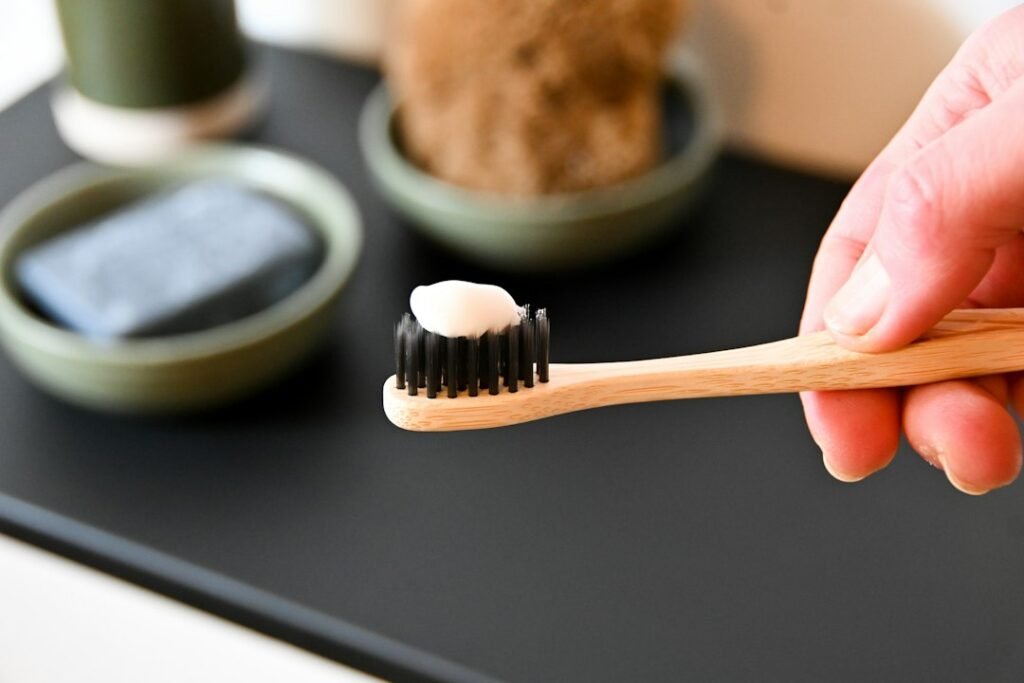
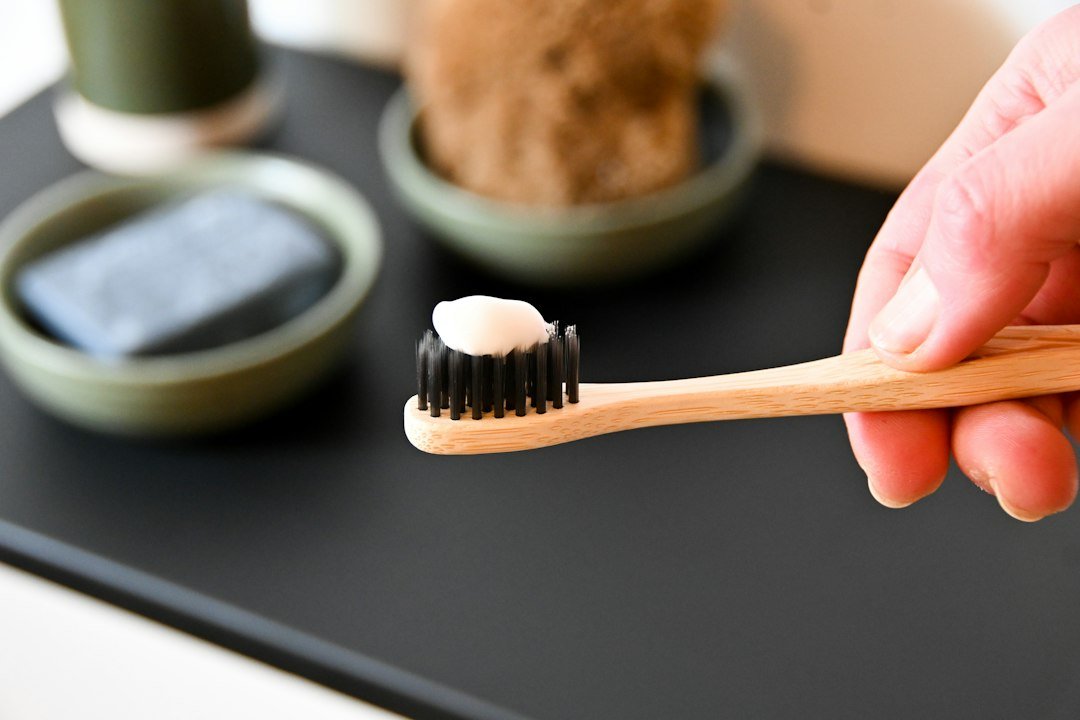
- Use a pea-sized amount for adults.
- Angle a soft-bristled brush at 45° to the gumline and use gentle circles.
- Spit, don’t rinse: leaving fluoride on teeth keeps it working longer.
- Clean between teeth daily with floss or interdental brushes.
- Wait about 30–60 minutes after acidic food or drinks before brushing.
- Replace your brush or brush head every three months.
A bright smile pairs beautifully with well-defined lips. See our lip flip before and after guide, or explore more self-care articles on the blog.
Best Toothpaste FAQs
Is fluoride toothpaste safe?
Yes, when used as directed. Swallowing large amounts regularly in early childhood can cause fluorosis (white marks), which is why children need supervised, small amounts.
Is hydroxyapatite as good as fluoride?
Several studies show nano-hydroxyapatite performs similarly to fluoride for remineralisation, but fluoride still has far more long-term evidence.
How long does sensitive toothpaste take to work?
Most people notice relief within 2–4 weeks of twice-daily use. Rubbing a little onto sensitive spots can speed it up.
Should I switch toothpaste often?
No need. Stick with a formula that meets your needs unless your dentist suggests a change.
Sources