DHT, short for dihydrotestosterone, is a powerful androgen (male sex hormone) made from testosterone. It is essential during development, but in adults with a genetic sensitivity it is the main driver of pattern hair loss, and it also plays a role in acne and prostate enlargement. This guide explains how DHT works, what happens when levels are high or low, how DHT affects hair follicles, which treatments block it, what the evidence says about “natural DHT blockers”, and the side effects worth knowing.
This article is for education only and does not replace advice from a doctor. See our medical disclaimer.
1. What Is DHT and How Is It Made?
An enzyme called 5-alpha reductase converts testosterone into DHT in tissues such as the skin, hair follicles, prostate and liver. Only a small share of testosterone (roughly 10% in adult men) becomes DHT, but DHT binds to androgen receptors far more strongly than testosterone, so a little has a big effect. Women make DHT too, from testosterone produced by the ovaries and adrenal glands, just in smaller amounts.
| 5-alpha reductase type | Main locations | Blocked by |
|---|---|---|
| Type 1 | Skin, oil glands, liver, scalp | Dutasteride |
| Type 2 | Prostate, hair follicles, genital skin | Finasteride and dutasteride |
2. What Does DHT Do in the Body?
- Forms male genitals and the prostate before birth.
- Drives puberty changes: deeper voice, body and facial hair, oil production.
- Supports libido and sexual function in adults.
- Stimulates beard and body hair while, paradoxically, shrinking scalp follicles in genetically prone people.
3. How DHT Causes Hair Loss
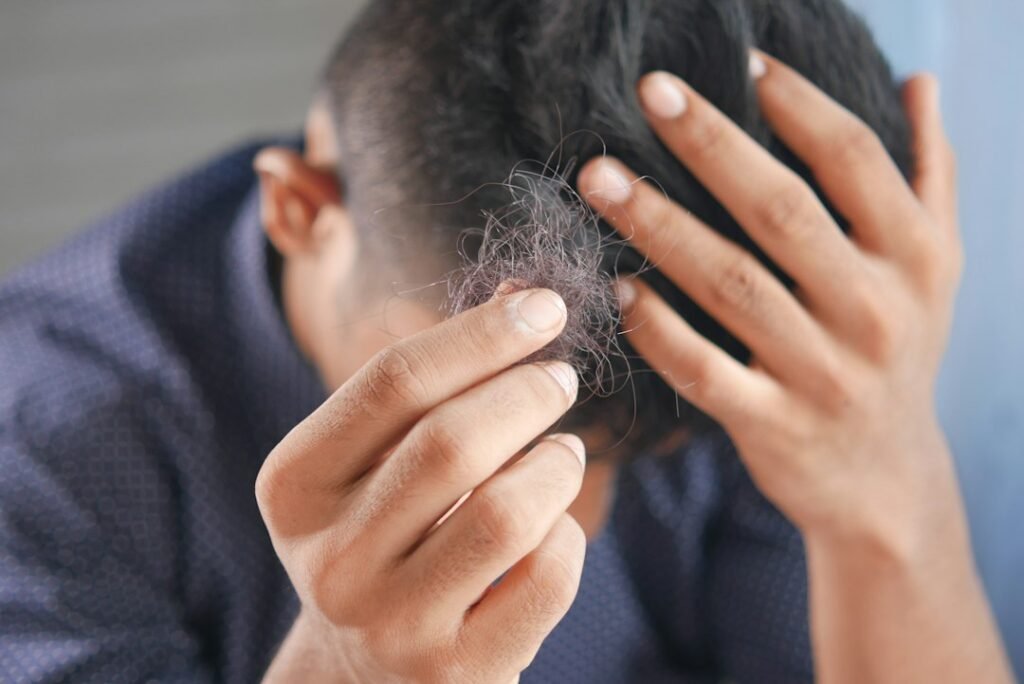
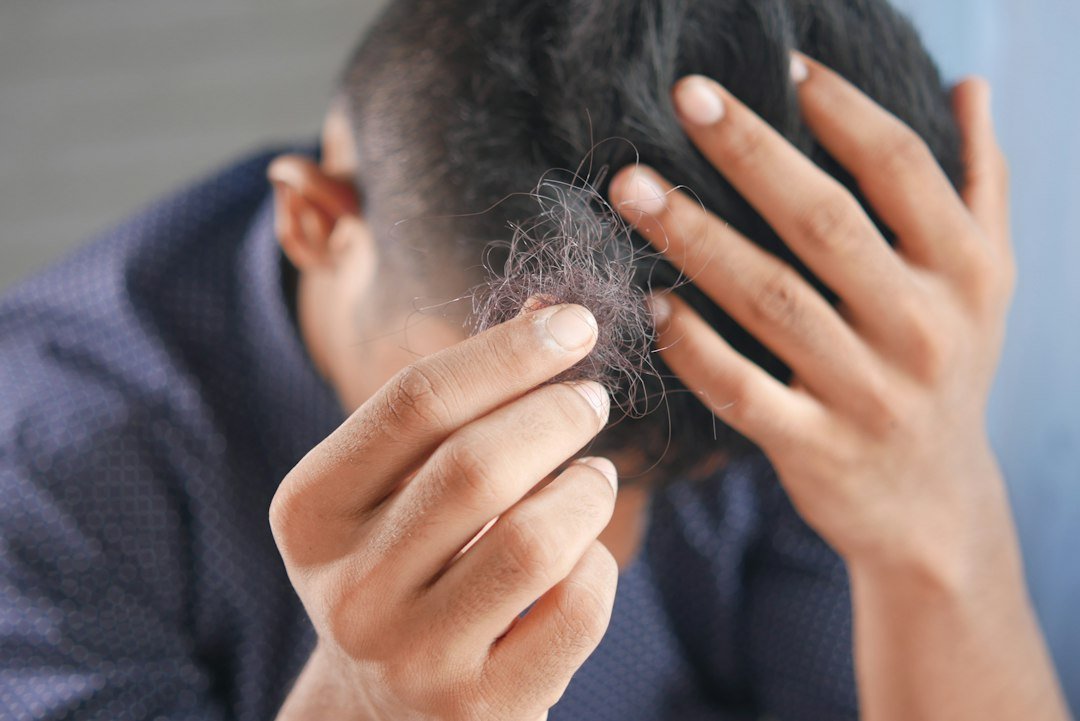
In androgenetic alopecia (male or female pattern hair loss), scalp follicles on the crown and temples have genetically sensitive androgen receptors. When DHT binds to them, the growth (anagen) phase gets shorter and the follicle slowly shrinks, a process called miniaturisation. Each new hair grows back thinner, shorter and lighter until the follicle may stop producing visible hair. The hair at the back and sides is usually resistant, which is why it is used for hair transplants.
Importantly, people with pattern baldness usually do not have abnormally high DHT. Their follicles are simply more sensitive to normal levels.
4. Signs of High or Low DHT
| High DHT effects | Low DHT effects |
|---|---|
| Pattern hair loss in prone people | Reduced body hair |
| Oily skin and acne | Lower libido, erectile issues |
| Enlarged prostate (BPH) in older men | Delayed puberty in boys |
| In women: excess facial or body hair (hirsutism), irregular periods (often with PCOS) | In development: atypical genital formation (5-ARD deficiency) |
DHT can be measured with a blood test, but it is rarely needed to diagnose pattern hair loss, which dermatologists usually recognise from the pattern, family history and a scalp exam. Reference ranges differ between labs.
5. Medical DHT Blockers and Hair Loss Treatments
| Treatment | How it works | Evidence level | Notes |
|---|---|---|---|
| Finasteride (oral or topical) | Blocks type 2 5-alpha reductase; lowers scalp and blood DHT | Strong (FDA-approved for men) | Results take 3–12 months; stop and loss returns |
| Dutasteride | Blocks type 1 and 2; lowers DHT more than finasteride | Good, used off-label for hair in many countries | Longer-lasting in the body |
| Minoxidil | Not a DHT blocker; prolongs growth phase and boosts blood flow | Strong (men and women) | Often combined with finasteride |
| Spironolactone | Blocks androgen receptors | Moderate, used for women | Not for men or pregnancy |
| Ketoconazole shampoo | Anti-fungal with mild anti-androgen effect | Limited but promising | Useful add-on |
| Low-level laser / red light | Stimulates follicles | Moderate | FDA-cleared devices exist |
6. Natural DHT Blockers: What the Evidence Says
- Saw palmetto: may mildly inhibit 5-alpha reductase; small studies show modest benefit, much weaker than finasteride.
- Pumpkin seed oil: one small randomised trial found increased hair counts; needs more research.
- Rosemary oil: a small study compared it with 2% minoxidil, but evidence is limited.
- Green tea (EGCG), caffeine shampoos: mainly lab or early data.
Supplements are not regulated like medicines, quality varies, and some interact with drugs. Discuss them with a doctor, especially before surgery or during pregnancy.
7. DHT Blocker Side Effects and Safety
- A small percentage of men report lower libido, erectile dysfunction or reduced ejaculate; most cases resolve after stopping.
- Breast tenderness or enlargement is uncommon.
- Mood changes have been reported; seek help if you notice low mood.
- Finasteride and dutasteride can harm a male fetus, so pregnant people should not handle crushed or broken tablets.
- These drugs lower PSA readings, so tell your doctor before prostate testing.
How to Protect Your Hair From DHT Damage
- Act early: treatments preserve existing hair better than they regrow lost hair.
- See a dermatologist to confirm the diagnosis and rule out thyroid, iron or stress-related shedding.
- Take monthly photos in the same light to track progress.
- Eat enough protein, iron and zinc, and manage stress and sleep.
- Give any treatment at least six months before judging it.
Explore more beauty and wellness guides on our blog, or learn about age requirements for cosmetic treatments.
DHT FAQs
Does high testosterone mean you will go bald?
No. Baldness depends mostly on how sensitive your follicles are to DHT, which is inherited, not on how much testosterone you have.
Can hair lost to DHT grow back?
Miniaturised follicles can recover if treated early. Follicles that have been inactive for years are unlikely to regrow, though transplants can restore coverage.
Does DHT affect women’s hair?
Yes. Female pattern hair loss usually shows as widening of the part. Hormonal conditions like PCOS and menopause can make follicles more vulnerable.
Do DHT-blocking shampoos work?
Shampoos stay on the scalp briefly, so most have limited effect. Ketoconazole is the best-supported option as an add-on to proven treatments.
Does masturbation increase DHT?
There is no good evidence that it raises DHT enough to cause hair loss.
Sources