
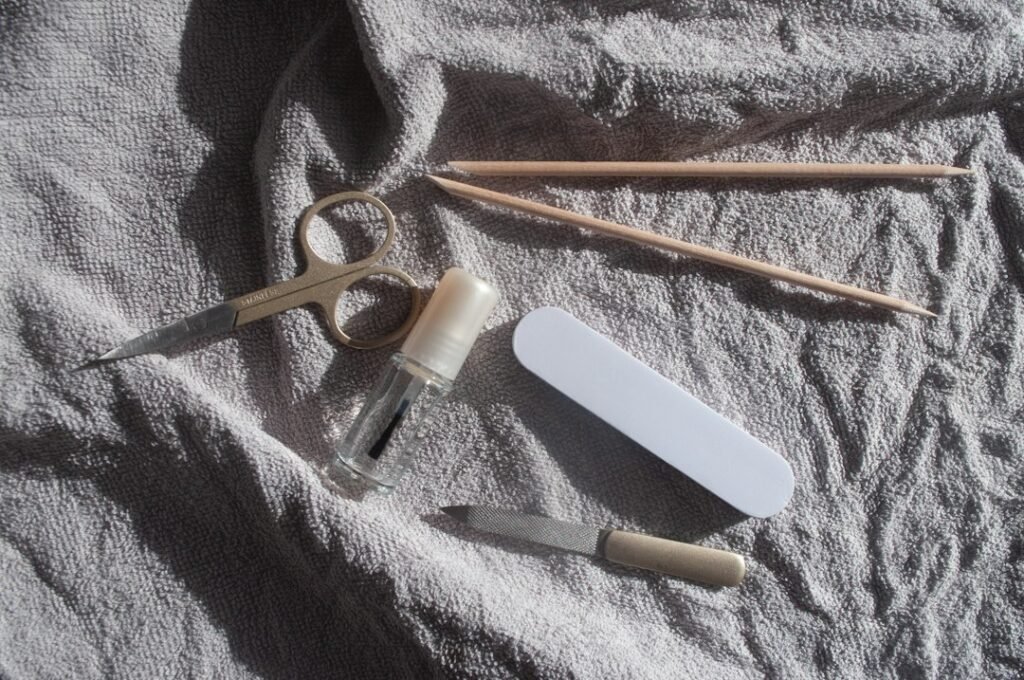
A nail file looks simple, but the type and grit you choose, and the way you use it, decide whether your nails stay smooth and strong or end up peeling and splitting. This guide compares every type of nail file, explains grit numbers, shows the right technique for natural nails, gels and acrylics, and covers cleaning, replacing and the mistakes that cause damage.
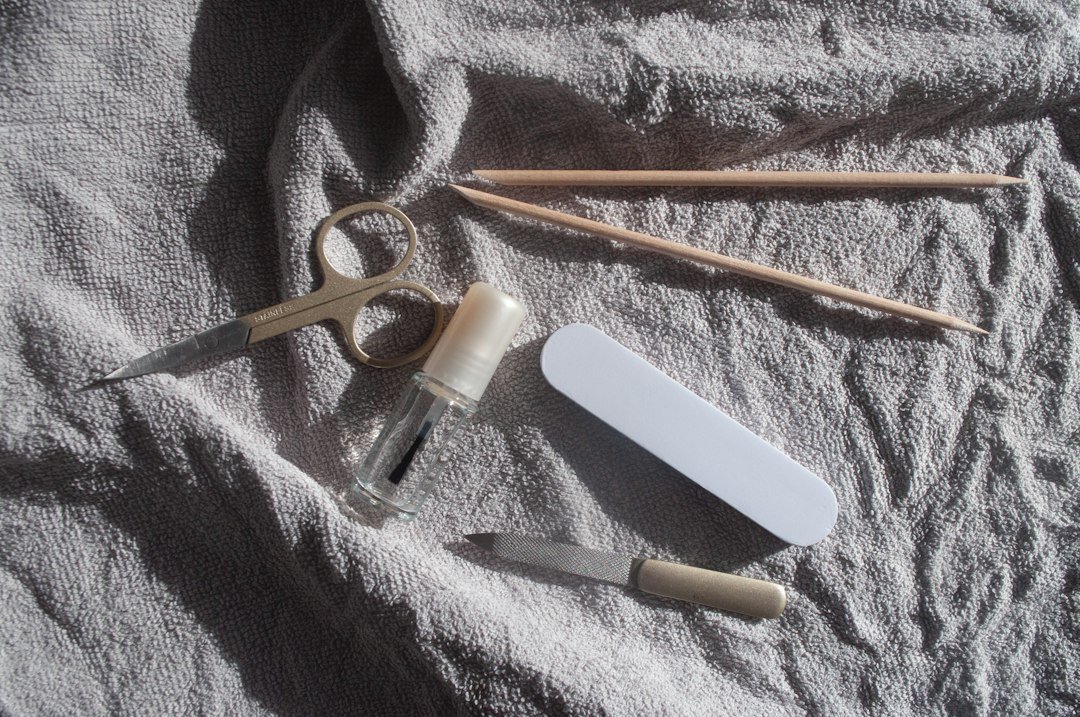
6 Types of Nail File
| Type | Best for | Pros | Cons |
|---|---|---|---|
| Glass / crystal | Natural nails | Seals the edge, gentle, lasts years, washable | Can break if dropped |
| Emery board | Natural nails, quick shaping | Cheap, disposable | Wears fast, harder to sanitise |
| Foam / cushioned file | Gel and acrylic | Flexible, multiple grits | Wears down |
| Metal file | Thick toenails | Durable | Too harsh for natural fingernails |
| Buffer block | Smoothing and shine | Removes ridges | Over-buffing thins nails |
| Electric file (e-file) | Professional enhancements | Fast and precise | Needs training to avoid burns and thinning |
Nail File Grit Explained
Grit numbers describe how coarse a file is: the lower the number, the coarser the file.
| Grit | Coarseness | Use |
|---|---|---|
| 80–100 | Very coarse | Shortening acrylics only |
| 150–180 | Medium | Shaping gel and acrylic; thick toenails |
| 180–240 | Fine | Natural nail shaping |
| 240+ | Very fine | Smoothing edges, buffing |
| 1000+ (polishers) | Ultra-fine | Shine |
How to File Your Nails Correctly
- File dry nails. Wet nails are soft and tear more easily.
- Trim first if you’re removing a lot of length.
- Hold the file at a slight angle under the free edge.
- File in one direction, from the side towards the centre. Sawing back and forth frays the keratin layers.
- Shape both sides evenly and check from above.
- Smooth the edge with a fine grit and finish with cuticle oil.
Filing for Popular Nail Shapes
| Shape | How to file |
|---|---|
| Square | File straight across, keep sides parallel |
| Squoval | Square first, then soften corners |
| Oval / round | Follow the fingertip curve |
| Almond | Taper both sides towards a rounded peak |
| Coffin | Taper the sides, then file the tip flat |
Nail Filing Mistakes
- Using coarse acrylic files on natural nails.
- Filing too deep into the side walls, which weakens the nail.
- Buffing the surface every week; once a month is enough.
- Sharing files, which can spread fungal infections.
- Filing toenails into curves; file them straight to prevent ingrown nails.
How to Clean and When to Replace a Nail File
Brush off dust after each use. Glass and metal files can be washed with soap and water and wiped with alcohol. Emery boards can’t be properly sanitised, so replace them when they feel smooth or after use on an infected nail. Glass files can last for years.
Find more nail-care guides on our blog, and see our lip flip before and after guide for subtle beauty treatments.
Nail File FAQs
What is the best nail file for natural nails?
A glass (crystal) file with fine grit is usually best; it seals the edge and reduces peeling.
Should I file back and forth?
Not on natural nails. File in one direction to avoid splitting. Glass files are more forgiving.
How often should I file my nails?
About once a week, or whenever you notice snags.
Is a nail file better than clippers?
Clippers are fine for removing length; a file gives smoother, stronger edges. Use both.
Sources