
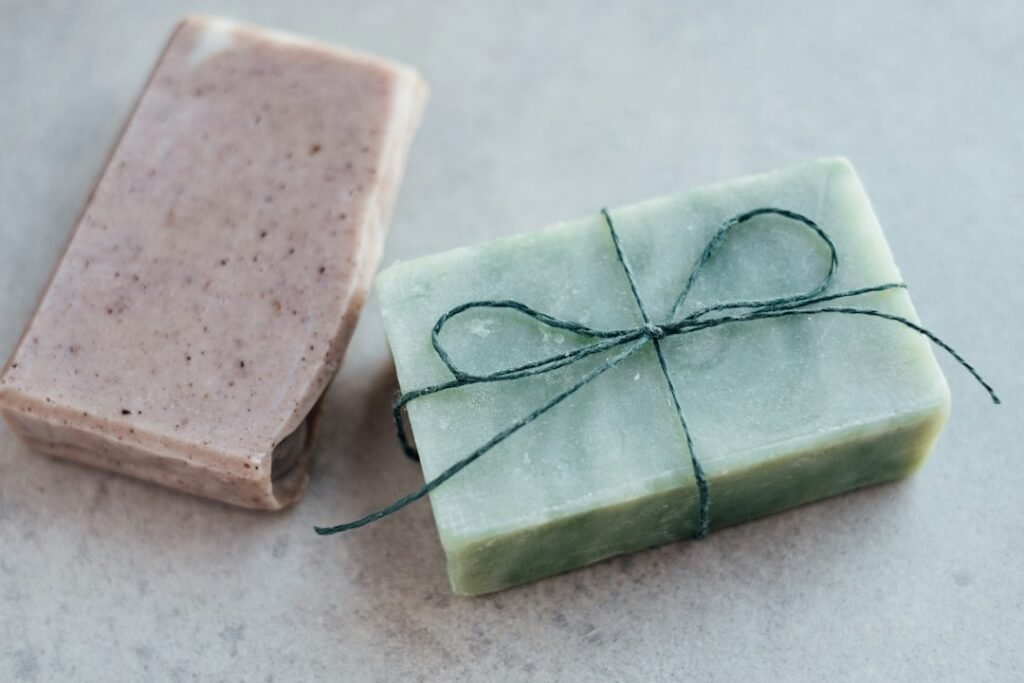
Kojic acid soap is a cleansing bar containing kojic acid, a natural compound produced by certain fungi during the fermentation of rice for sake and soy sauce. It’s popular for fading dark spots, acne marks, sun spots and uneven skin tone. But because soap is rinsed off quickly, results depend heavily on how you use it, and it can irritate sensitive skin. This guide explains how kojic acid works, realistic results, a safe routine, side effects, who should avoid it, and how it compares with other brightening ingredients.
General information only; see a dermatologist for persistent pigmentation. Read our medical disclaimer.
How Does Kojic Acid Work?
Kojic acid blocks tyrosinase, the enzyme skin uses to make melanin. With less new melanin produced, existing dark patches gradually fade as skin renews itself. It does not bleach skin instantly; it slows pigment production over weeks.
Kojic Acid Soap Benefits
- Fades post-acne dark marks (post-inflammatory hyperpigmentation).
- Lightens sun spots and age spots over time.
- Helps even out darker areas like underarms, elbows and knees.
- May support melasma treatment as part of a dermatologist-led plan.
- Has mild antibacterial and antifungal properties.
How to Use Kojic Acid Soap (Step by Step)
- Patch test on your inner arm for 2–3 days.
- Start slowly: use once a day, a few times a week.
- Lather in wet hands and apply the foam (not the bar) to skin.
- Leave on 30–60 seconds, then rinse with lukewarm water.
- Pat dry and moisturise with a fragrance-free cream.
- Apply broad-spectrum SPF 30+ every morning; without sunscreen, dark spots return.
- Increase to daily only if your skin tolerates it.
Kojic Acid Soap Results Timeline
| Time | What to expect |
|---|---|
| Weeks 1–2 | Skin may feel tighter; no visible fading yet |
| Weeks 4–6 | Early fading of light marks for some users |
| Weeks 8–12 | More noticeable evening of tone with daily SPF |
| Ongoing | Maintenance; deep pigment like melasma often needs other treatments |
Side Effects and Who Should Avoid It
- Dryness, redness, stinging and peeling, especially on the face.
- Contact dermatitis (allergic rash) in some people.
- Increased sun sensitivity.
- Avoid on broken skin, eczema or rosacea flares.
- Ask your doctor before using it during pregnancy or breastfeeding.
- Buy from reputable sellers; some imported “whitening” soaps have been found to contain mercury or undeclared steroids.
Kojic Acid vs Other Brightening Ingredients
| Ingredient | Strength of evidence | Irritation risk |
|---|---|---|
| Kojic acid | Moderate | Moderate |
| Vitamin C | Moderate | Low–moderate |
| Niacinamide | Moderate | Low |
| Azelaic acid | Good | Low–moderate |
| Tranexamic acid | Good (melasma) | Low |
| Hydroquinone (prescription) | Strong | Higher; supervised use only |
| Retinoids | Good | Moderate |
Leave-on serums usually work better than soap because they stay on the skin longer. For acne marks, see our blog for acne-scar treatments, and read about safe cosmetic choices in our side effects guide.
Kojic Acid Soap FAQs
Does kojic acid soap lighten skin permanently?
No. It fades excess pigment, but sun exposure and hormones can bring dark spots back, and it won’t change your natural skin tone.
Can I use kojic acid soap on my face?
Yes, carefully. Facial skin is more sensitive, so start a few times a week and moisturise afterwards.
Can I use kojic acid with retinol?
It’s possible, but the combination increases irritation. Use them at different times of day or on alternate days.
Is kojic acid safe for dark skin?
Generally yes, but irritation can itself cause new dark marks in deeper skin tones, so go slowly.
Sources