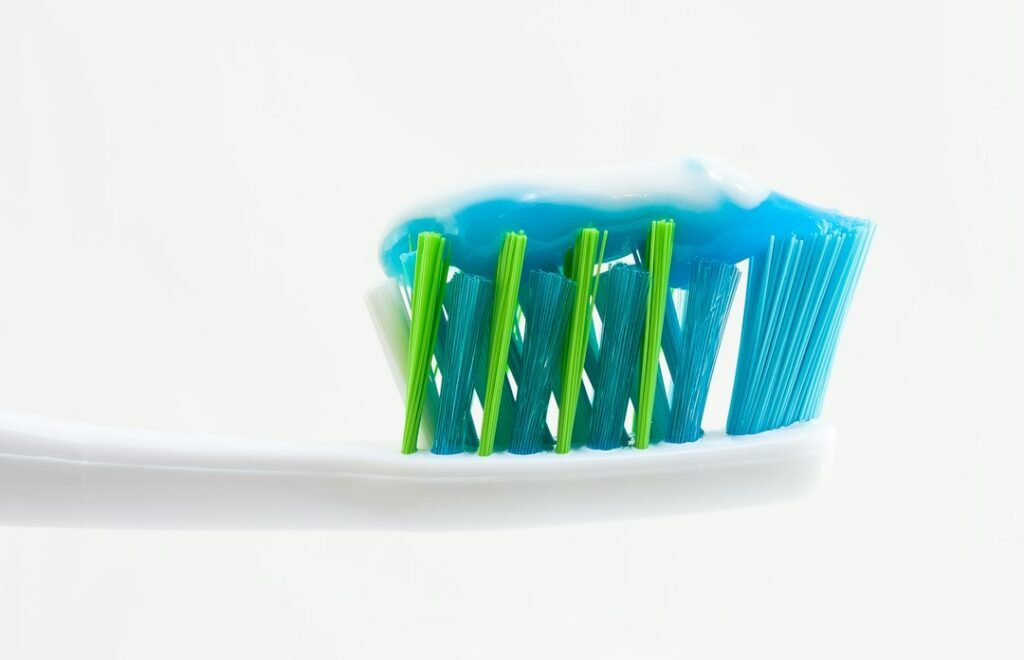
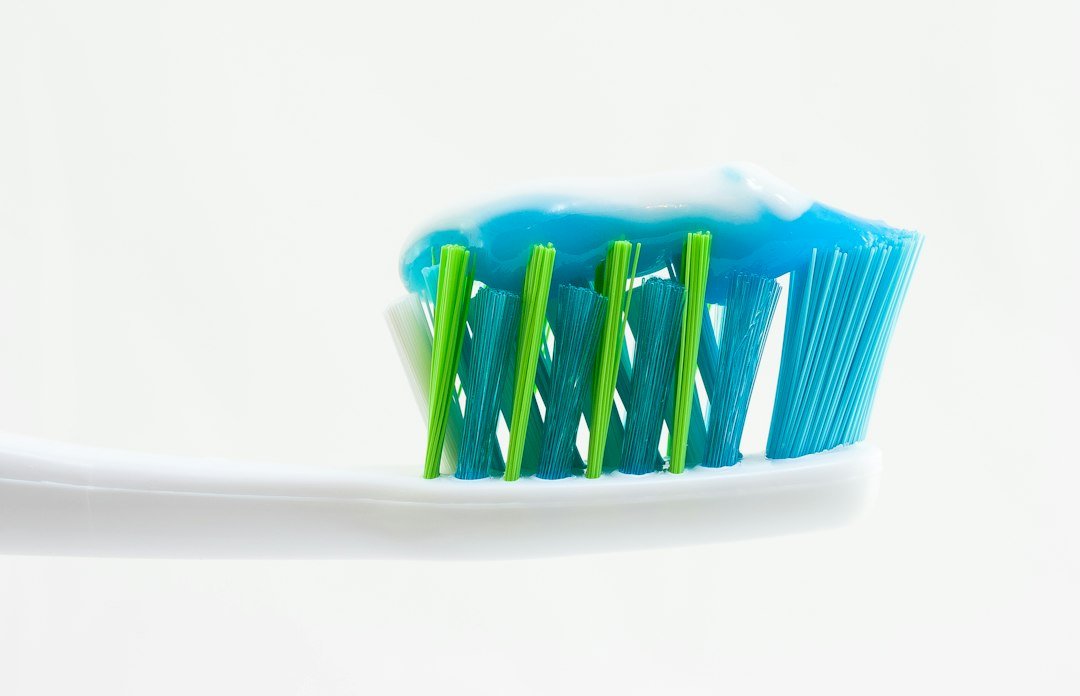
Nano hydroxyapatite toothpaste uses tiny particles of hydroxyapatite, the calcium-phosphate mineral that makes up most of your tooth enamel, to help repair early enamel damage, reduce sensitivity and make teeth look smoother and brighter. Small clinical trials suggest it may protect against cavities about as well as fluoride, but fluoride still has decades more research and remains the standard recommended by most dental associations. Nano hydroxyapatite is a reasonable fluoride-free choice, especially for sensitivity, but it is best chosen with your dentist’s input.
Nano Hydroxyapatite vs Fluoride
| Nano hydroxyapatite | Fluoride | |
| How it works | Fills tiny defects with enamel-like mineral | Forms a more acid-resistant enamel layer and slows bacteria |
| Cavity prevention | Promising; small trials show similar results | Strong evidence over decades |
| Sensitivity | Good evidence for relief | Stannous fluoride also helps |
| Whitening look | May make teeth look smoother and brighter | No direct whitening |
| Safe if swallowed | Yes (biocompatible mineral) | Small amounts are fine; too much in young children can cause fluorosis |
| Dental association seal (US) | Not eligible for the ADA seal | Yes, many products |
| Price | Usually higher | Low |
7 Facts About Nano Hydroxyapatite Toothpaste
- It is not new: it was developed decades ago and has long been used in Japanese toothpastes.
- “Nano” means particle size: nano particles are thought to bond to enamel and fill micro-defects more easily than larger “micro” particles.
- It can remineralise early enamel lesions: such as white spots, in lab and clinical studies.
- It helps sensitivity: it can plug the tiny tubes in exposed dentin that send pain signals.
- Cavity evidence is growing: randomised trials, including an 18-month study in children, found it performed similarly to fluoride, but more large studies are needed.
- It is considered safe: European regulators have assessed nano hydroxyapatite in toothpaste as safe within set limits.
- It does not replace good habits: brushing twice daily, flossing, limiting sugar and regular check-ups still matter most.
Who Might Choose Nano Hydroxyapatite Toothpaste?
- People with sensitive teeth or exposed roots
- Those who prefer to avoid fluoride, after discussing it with their dentist
- Young children who tend to swallow toothpaste (ask your dentist or paediatrician)
- People with white spots after braces
- Anyone who whitens often and wants extra enamel care
Who Should Stick With Fluoride?
If you have a high cavity risk (frequent cavities, dry mouth, braces, sugary diet or gum recession), fluoride remains the best-proven protection. Many dentists suggest using a fluoride toothpaste, or using both, in these cases.
How to Use It
- Brush for two minutes, twice a day, with a pea-sized amount.
- Spit, but do not rinse straight away, so the mineral stays on your teeth longer.
- Look for products that list the concentration (many studies used around 10%).
- Give it 2 to 4 weeks to judge any change in sensitivity.
Teeth, Smiles and Lips
A brighter smile is often part of a wider beauty routine. If you are also thinking about how much of your teeth and gums show when you smile, our guide to the lip flip explains how it can help a gummy smile.
Nano Hydroxyapatite Toothpaste FAQs
Is nano hydroxyapatite better than fluoride?
Not proven to be better. Early studies suggest similar cavity protection and good sensitivity relief, but fluoride has much more evidence.
Can hydroxyapatite reverse cavities?
It can help repair very early enamel damage (white spots). Once a cavity forms a hole, it needs a filling.
Is nano hydroxyapatite safe for kids?
It is considered safe if swallowed, and trials have included children. Ask your child’s dentist which toothpaste suits their cavity risk.
Does it whiten teeth?
It can make teeth look smoother and slightly brighter, but it does not bleach stains like whitening treatments.
This article is for general information. See our medical disclaimer and ask your dentist. More guides on our blog.
Sources: GoodRx: Hydroxyapatite toothpaste vs fluoride; NIH/PMC: Hydroxyapatite in oral care products, a review; Dentistry.one: Fluoride vs hydroxyapatite.