Standing at the crossroads of lip filler vs lip flip is a common place to be. Both treatments promise a fuller, more defined smile, but they work in completely different ways, and picking the wrong one for your goals can mean paying for a result you didn’t actually want.
The core difference comes down to this: a lip flip uses Botox to relax the upper lip muscle so it rolls slightly outward, while lip filler physically adds volume using an injectable gel. Neither is “better” across the board. The right choice depends on your lips, your goals, and how much change you’re actually looking for.
This guide breaks down lip filler vs lip flip in full detail: how each one works, what results actually look like, cost, duration, downtime, and who tends to get the best results from each. If you’re brand new to this treatment, it also helps to start with what a lip flip is before comparing your options.
Table of Contents
Quick Answer: Lip Filler vs Lip Flip
A lip flip uses Botox to relax the upper lip muscle, creating a subtle outward roll without added volume. Lip filler uses hyaluronic acid gel to physically add volume and shape. Choose a lip flip for subtle enhancement or gummy smile correction, and filler for noticeably fuller lips.
Key Takeaways
- A lip flip relaxes muscle; lip filler adds volume. They solve different problems.
- Lip flip results last 2–4 months; filler typically lasts 6–12 months.
- Lip flip costs less per session but needs more frequent touch-ups.
- Filler is the better choice for noticeable fullness; lip flip suits subtle change or a gummy smile.
- Some patients combine both for a fuller look with a more defined upper lip roll.
What Is a Lip Flip?
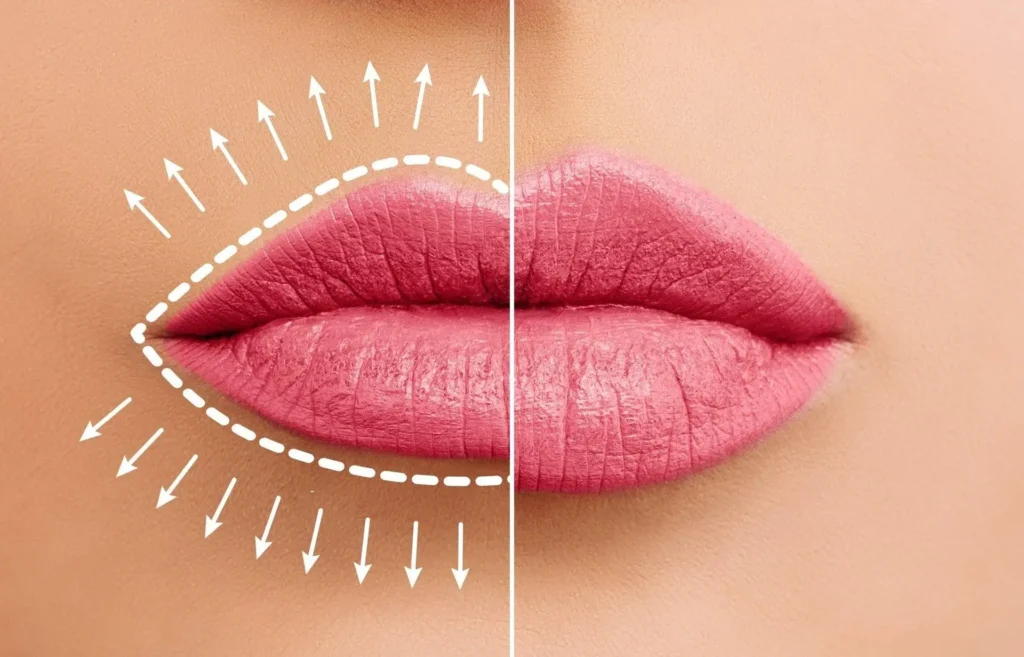
A lip flip is a non-surgical treatment that uses a small amount of Botox, or another neuromodulator, injected into the lip flip injection sites around the upper lip. This relaxes the orbicularis oris muscle, allowing the lip to roll slightly outward and appear fuller, without adding any actual volume. Learn more about how a lip flip works and the full lip flip procedure from start to finish.
What Is Lip Filler?
Lip filler uses an injectable hyaluronic acid gel to add physical volume directly into the lips. Unlike a lip flip, filler can reshape the lip border, add projection, and increase overall fullness in a way that muscle relaxation alone cannot achieve.
Lip Filler vs Lip Flip: Full Comparison Table
| Feature | Lip Flip | Lip Filler |
| How it works | Relaxes the upper lip muscle with Botox | Adds volume with hyaluronic acid gel |
| Adds volume | No | Yes |
| Best for | Subtle pout, gummy smile | Noticeably fuller lips |
| Onset | 2–4 days, full effect in 10–14 days | Immediate, settles over 1–2 weeks |
| Duration | 2–4 months | 6–12 months |
| Average cost | $150–$300 per session | $500–$800+ per syringe |
| Downtime | Minimal | Mild to moderate swelling common |
| Reversibility | Wears off naturally | Can be dissolved with an enzyme |
| Pain level | Mild, brief | Mild to moderate, often numbed first |
Lip Filler vs Lip Flip: Results
The biggest difference in this lip filler vs lip flip comparison comes down to what you’ll actually see in the mirror. A lip flip makes the upper lip look slightly fuller by exposing more of the lip’s natural pink tissue, especially when smiling. It won’t add plumpness to the lips at rest. Filler, by contrast, changes the actual shape and size of the lips, even when your face is relaxed.
If you want to compare visual outcomes directly, this collection of lip flip before and after photos shows just how subtle the flip effect really is compared to filler-based volume.
Lip Filler vs Lip Flip: Cost and Value
A lip flip is significantly cheaper per session, typically running $150 to $300, compared to $500 or more per syringe of filler. But because a lip flip wears off faster, most patients repeat it 3 to 4 times a year, while filler might only need a touch-up once or twice annually. Depending on your specific pricing, the yearly cost of each can end up closer than the per-session price suggests. This detailed lip flip cost breakdown covers the full picture.
Lip Filler vs Lip Flip: How Long Each One Lasts
A lip flip typically lasts 2 to 4 months before the muscle regains full movement. Lip filler generally lasts 6 to 12 months, depending on the specific product used and how quickly your body metabolizes it. If duration matters most to your decision, filler has a clear advantage.
Lip Filler vs Lip Flip: Downtime and Healing
Both treatments have relatively short recovery windows, but they differ slightly.
| Recovery Factor | Lip Flip | Lip Filler |
| Swelling | Mild | Moderate |
| Bruising risk | Low to moderate | Moderate to higher |
| Time to full healing | 10–14 days | 1–2 weeks |
| Numbness | Minimal | More noticeable |
You can review the complete lip flip healing stages and proper lip flip aftercare if you want a closer look at what recovery involves.
Who Should Choose a Lip Flip
A lip flip tends to work best for people who:
- Want a subtle enhancement rather than dramatic volume
- Are dealing with a gummy smile and want less gum visible when smiling
- Have naturally full lips already and just want slight refinement
- Want to try a cosmetic treatment for the first time with lower cost and commitment
- Prefer a treatment that fully wears off on its own
Who Should Choose Lip Filler
Lip filler tends to work better for people who:
- Want noticeably fuller, plumper lips
- Have thin lips and want to build volume, not just muscle relaxation
- Want to reshape or better define the lip border
- Are comfortable with a higher upfront cost for longer-lasting results
- Don’t mind a bit more swelling during the healing process
Can You Combine a Lip Flip and Lip Filler?
Yes. Many providers offer a “flip and fill” combination, using Botox to relax the upper lip muscle while adding filler for extra volume. This combination approach gives you the outward roll of a lip flip along with the added fullness of filler, which is popular for patients who want both effects at once.
Common Mistakes When Choosing Between Lip Filler and Lip Flip
- Expecting a lip flip to add volume. It only repositions the lip; it doesn’t plump it.
- Choosing filler for subtle gummy smile correction. A lip flip usually addresses this more directly and affordably.
- Ignoring maintenance frequency. A lip flip requires more frequent visits, which some patients don’t anticipate.
- Judging results too early. Both treatments take time to fully settle, so early judgments can be misleading.
- Not asking about combination options. Some patients assume it’s strictly one or the other, when a combined approach may fit their goals better.
Step-by-Step: How to Decide Between the Two
- Define your goal. Are you looking for subtle refinement or noticeably fuller lips?
- Consider your budget. Factor in both the per-session price and how often you’ll need touch-ups.
- Think about downtime tolerance. If you want minimal swelling, a lip flip is generally gentler.
- Book a consultation. A qualified injector can assess your lip anatomy and recommend the best fit.
- Ask about combining both. If you want more than either treatment alone offers, ask if a combination approach makes sense for you.
Frequently Asked Questions
What’s the main difference between lip filler and lip flip? A lip flip relaxes the upper lip muscle using Botox, while lip filler adds physical volume using hyaluronic acid gel. They create different types of results.
Which lasts longer, lip filler or lip flip? Lip filler generally lasts longer, typically 6 to 12 months, compared to a lip flip’s 2 to 4 months.
Is a lip flip cheaper than lip filler? Yes. A lip flip typically costs less per session, though it requires more frequent maintenance visits than filler.
Can a lip flip fix thin lips? Not significantly. A lip flip repositions the upper lip but doesn’t add volume, so lip filler is usually a better option for genuinely thin lips.
Does a lip flip help with a gummy smile? Yes. A lip flip is one of the more common treatments used to reduce visible gum when smiling, since it repositions the upper lip downward slightly when the mouth is relaxed.
Which has less downtime, lip filler or lip flip? A lip flip generally has less swelling and a gentler recovery than lip filler, which often causes more noticeable temporary swelling.
Can I switch from lip filler to a lip flip later? Yes. Many patients try one treatment first and switch, or combine both, once they better understand their personal goals and preferences.
Is one treatment more painful than the other? Both are generally well tolerated. Filler injections may involve mild discomfort due to the larger volume of product, though topical numbing is commonly used for both treatments.
Does lip filler look more natural than a lip flip? Not necessarily. Both can look very natural when performed by an experienced injector using conservative amounts.
Can men get a lip flip or lip filler? Yes. Both treatments are used by men and women. You can see examples in this lip flip before and after for men gallery.
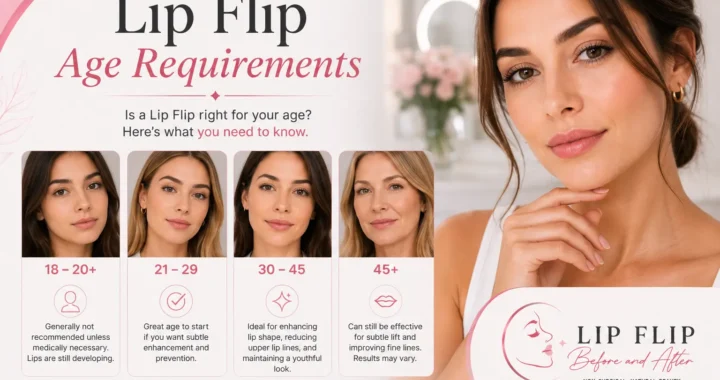
Is there an age limit for choosing between the two? Both treatments are commonly used across a range of ages. Suitability depends more on individual lip anatomy and goals than age alone, though it’s worth noting how results can look in older patients for reference.
What happens if I don’t like my lip flip or filler results? A lip flip wears off naturally within a few months. Filler can typically be dissolved with an enzyme injection if you’re unhappy with the result, offering more immediate reversibility.
Summary
The lip filler vs lip flip decision really comes down to what kind of change you want. A lip flip offers a subtle, affordable, low-downtime way to enhance your smile or address a gummy smile, while filler delivers noticeable volume that lasts significantly longer. Some patients find their answer isn’t choosing one over the other, but combining both for a fuller, more defined result.
To keep exploring, check out real lip flip before and after photos, learn how long a lip flip takes to work, or review the lip flip recovery timeline before booking your consultation.
This article is for informational purposes only and doesn’t replace personalized medical advice. Always consult a licensed, qualified injector to determine which treatment best fits your goals and lip anatomy.