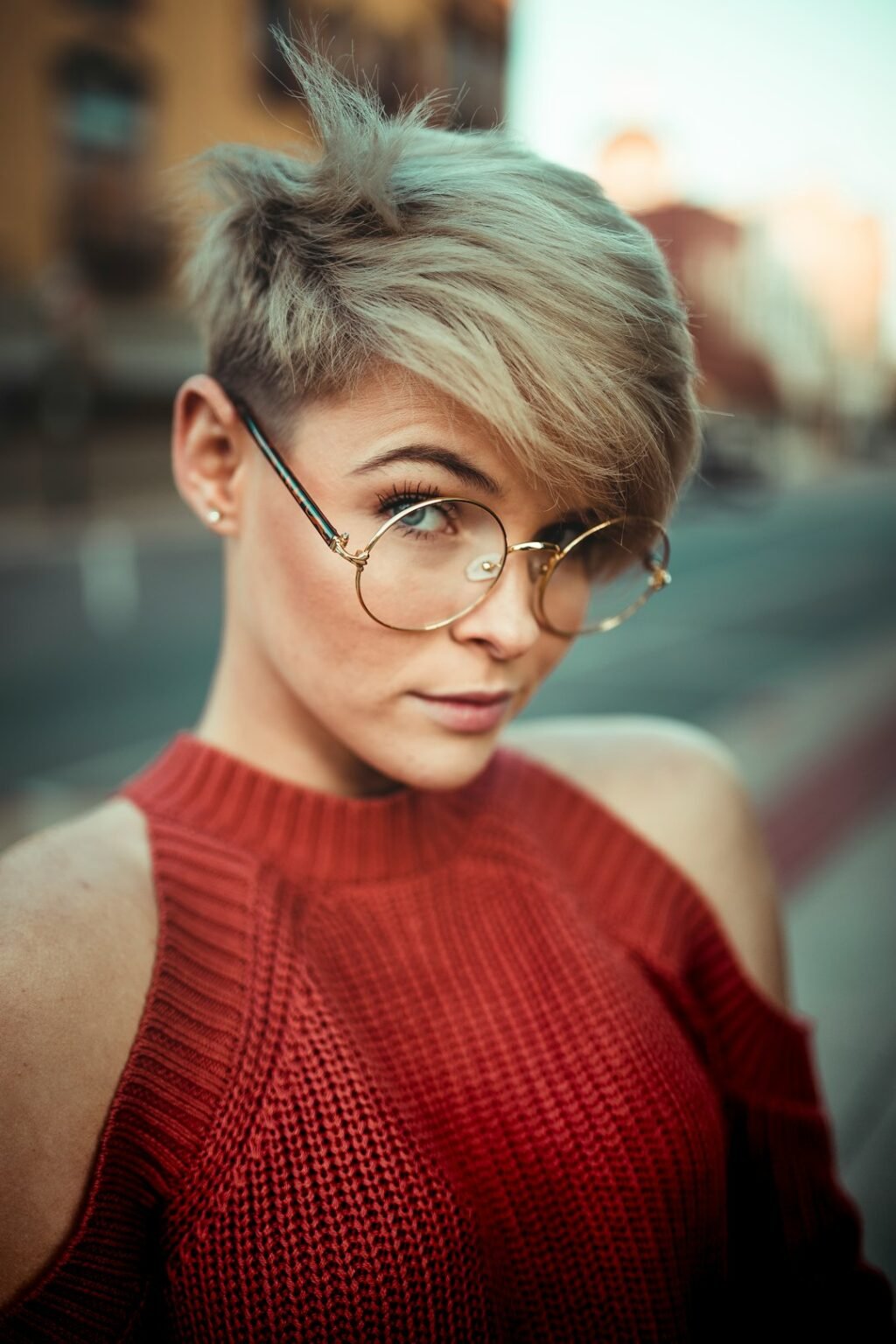
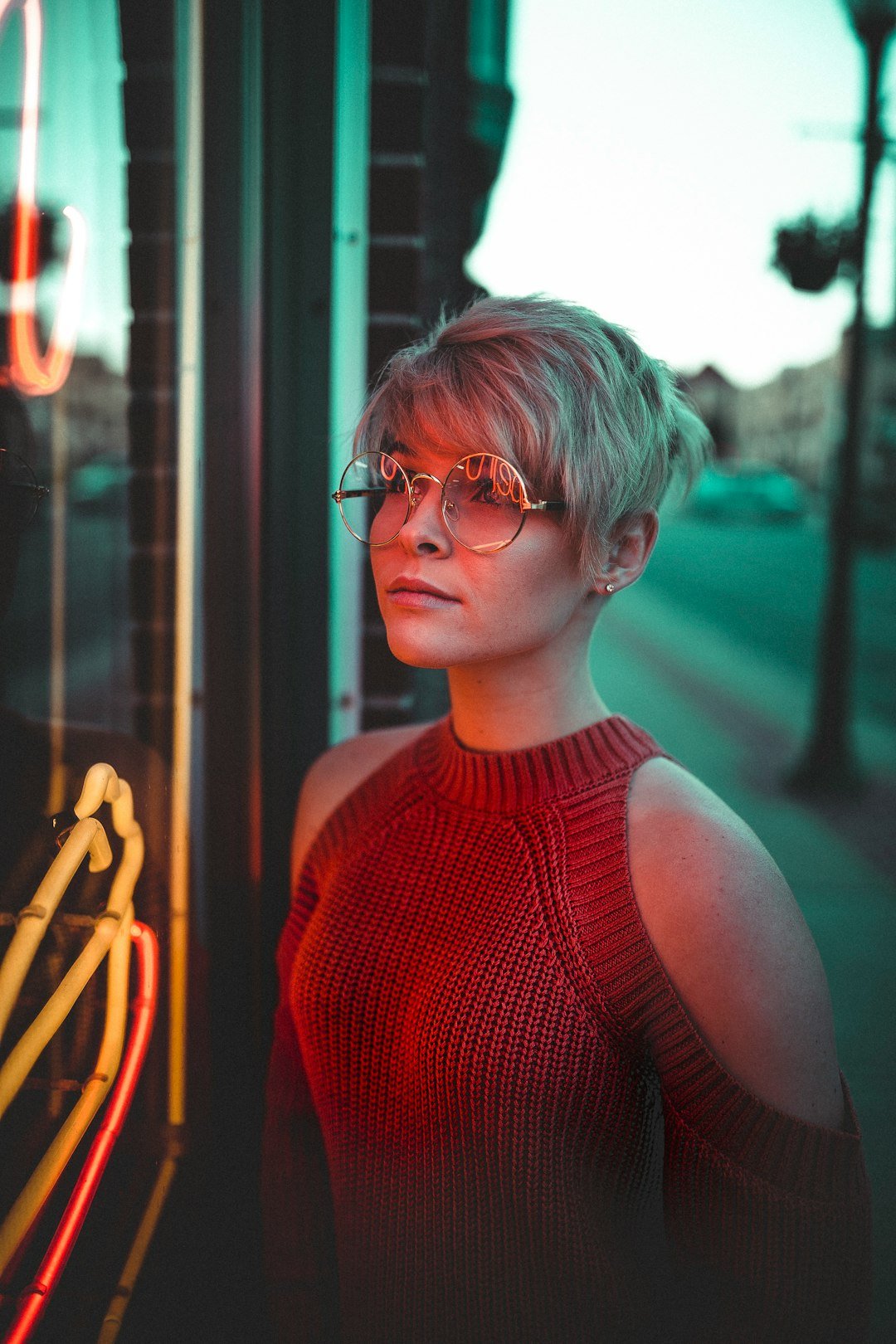
A pixie cut is a short haircut that is cropped close at the back and sides, slightly longer on top, and usually finished with short, soft bangs. It frames the face, shows off the eyes and cheekbones, and takes only minutes to style. Since Audrey Hepburn made it famous in 1953, it has become one of the most iconic short hairstyles for women of every age.
This guide covers the different types of pixie cut, which one suits your face shape and hair type, how to talk to your stylist, how to style and maintain it, and how to grow it out without a messy in-between stage.
Pixie Cut at a Glance
| Length | About 2 to 8 cm; above the ears and collar |
| Styling time | 2 to 10 minutes |
| Trims | Every 4 to 8 weeks |
| Best hair types | Fine and straight hair (easiest); thick and curly hair with the right layering |
| Grow-out to a bob | Roughly 6 to 12 months |
A Short History of the Pixie Cut
The pixie cut went mainstream when Audrey Hepburn wore it in Roman Holiday (1953). Jean Seberg made it a symbol of French cool in Breathless (1960), Mia Farrow wore it in Rosemary’s Baby (1968), and models like Twiggy turned it into a 1960s fashion statement. In the 1990s, Demi Moore’s cut in Ghost and Winona Ryder’s cropped look brought it back, and Halle Berry wore it in Die Another Day (2002). Today it remains a go-to for anyone who wants a bold change.
12 Pixie Cut Styles
- Classic pixie: short back and sides, slightly longer top, soft bangs. Timeless and low-effort.
- Long pixie: more length on top and around the ears. The easiest first step into short hair.
- Textured pixie: choppy layers that add volume and movement.
- Pixie with side-swept bangs: softens the face and suits round and square shapes.
- Pixie with blunt bangs: a graphic, fashion-forward look for straight hair.
- Undercut pixie: shaved or clippered sides underneath for an edgy finish and less bulk.
- Curly pixie: shaped to work with your curl pattern; often cut dry.
- Asymmetrical pixie: one side longer than the other for a modern twist.
- Pixie bob (bixie): a mix of pixie and bob, with length around the ears. Very popular and easy to grow out.
- Tapered pixie: closely tapered at the nape for a clean neckline.
- Grey or silver pixie: a chic way to embrace natural grey hair.
- Coloured pixie: highlights or bold colour make the short layers stand out.
Best Pixie Cut for Your Face Shape
| Face shape | Best pixie cut |
| Oval | Almost any pixie, from very short to long and textured |
| Round | Volume at the crown and side-swept bangs to add length |
| Square | Soft, wispy layers and textured bangs to soften the jaw |
| Heart | Longer pieces around the jaw to balance a wider forehead |
| Long | Fuller sides and a fringe to shorten the face visually |
| Diamond | Textured top with bangs to balance wide cheekbones |
Pixie Cut by Hair Type and Age
- Fine hair: one of the best matches. Short lengths avoid the flat, weighed-down look, and layers make hair look thicker.
- Thick hair: needs thinning and texturising so it does not puff out into a bowl shape.
- Curly hair: choose a stylist who cuts curls; allow for shrinkage, especially at the bangs.
- Over 50: a soft, layered pixie lifts the face and works well with grey hair. Avoid very severe, flat cuts.
How to Ask Your Stylist for a Pixie Cut
- Bring photos of pixies on people with your hair type, from the front and side.
- Say how short you want the back and sides, and whether the ears should show.
- Decide on bangs: side-swept, wispy, blunt or none.
- If you are nervous, start with a long pixie or bixie; you can always go shorter.
How to Style a Pixie Cut
- Messy and textured: rub a pea-sized amount of matte paste between your fingers and twist sections on top.
- Volume: apply root lift spray to damp hair and blow-dry with a small round brush.
- Sleek: use a light smoothing serum and blow-dry with a flat brush, then add a little pomade.
- Slicked back: comb gel or wet-look pomade through damp hair for an evening look.
- Accessories: small clips and slim headbands change the look in seconds.
A pixie cut also puts the spotlight on your face, so many people pair it with bolder makeup, such as defined brows, eyeliner or a glossy lip.
Pixie Cut Maintenance
Short hair shows growth quickly. Most people trim a classic pixie every 4 to 6 weeks and a longer pixie every 6 to 8 weeks. You will use less shampoo and fewer products than with long hair, but you will see your stylist more often.
How to Grow Out a Pixie Cut
Hair grows about 1.25 cm (half an inch) a month, so reaching a chin-length bob usually takes 6 to 12 months. These steps make it easier:
- Keep trimming the back: let the top and sides catch up while the nape stays neat, so it does not turn into a mullet.
- Move through a bixie: a pixie-bob is the most flattering in-between shape.
- Use accessories: clips, headbands and scarves hide awkward pieces.
- Add texture: texturising spray hides uneven lengths.
- Be gentle: limit heat and harsh colour so the new growth stays healthy.
Pixie Cut Pros and Cons
| Pros | Cons |
| Very quick to wash and style | Frequent trims needed |
| Shows off eyes, cheekbones and jaw | Fewer styling options than long hair |
| Uses less product | Bad hair days are harder to hide in a ponytail |
| Removes damaged lengths in one go | Growing it out takes months |
Pixie Cut FAQs
Will a pixie cut suit me?
A quick test: pull your hair back tightly and look at your face from the front and side. If you like what you see, a pixie cut will likely suit you. A long pixie is a safer first step.
Is a pixie cut good for thin hair?
Yes. Fine and thin hair often looks fuller when cut short with light layers.
What is the difference between a pixie cut and a bob?
A pixie sits above the ears and collar. A bob is longer, usually between the ears and the shoulders. The bixie sits in between.
How often should you cut a pixie?
Every 4 to 8 weeks, depending on how short it is and how sharp you want the shape.
Looking for more beauty ideas? Visit our beauty blog.
Sources: Wikipedia: Pixie cut; John Frieda: Pixie cuts; MHD Pro: Iconic pixie haircuts.