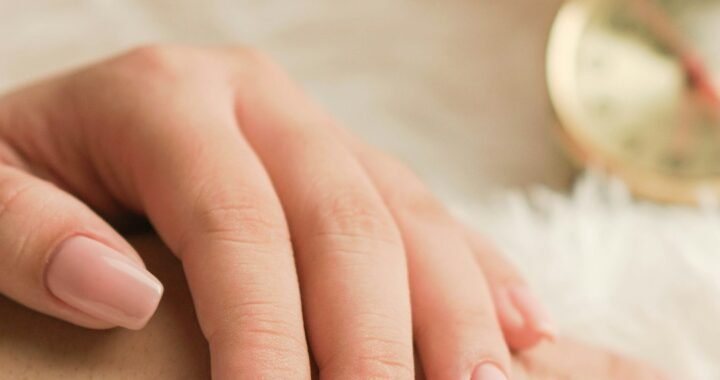
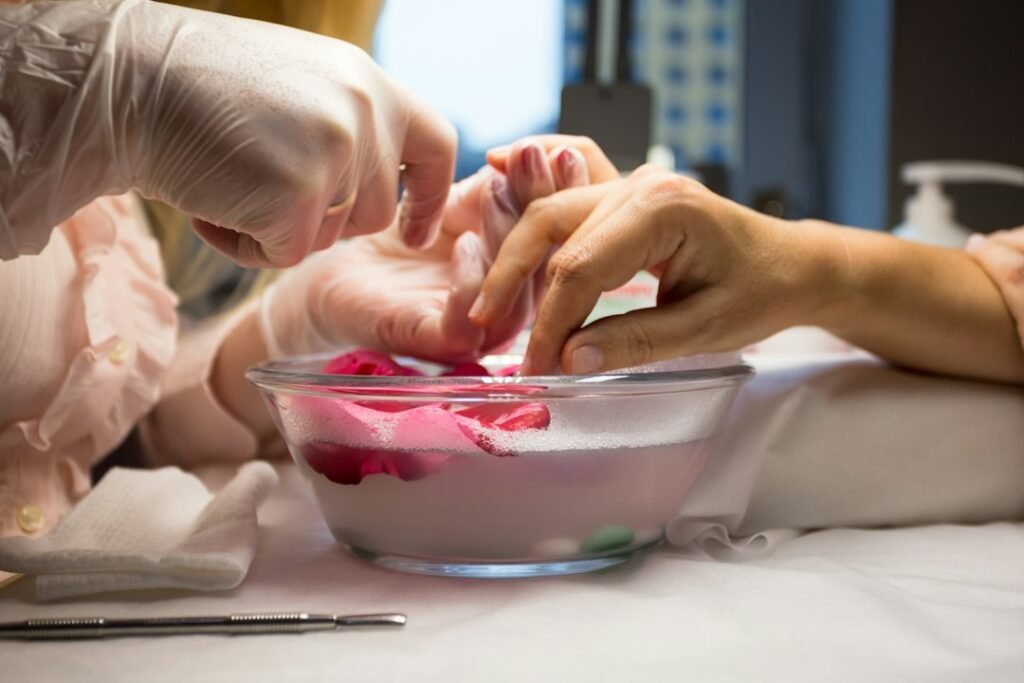
A paraffin wax treatment involves dipping hands or feet into warm, melted cosmetic-grade paraffin, letting it form a soft wax glove, and leaving it on for 10–20 minutes. The trapped warmth and moisture leave skin noticeably smoother, and the gentle heat can ease stiffness in sore joints. It’s a classic spa add-on that you can also do at home with a paraffin bath. This guide covers the benefits, a step-by-step method, frequency, who should avoid it, and important safety tips.
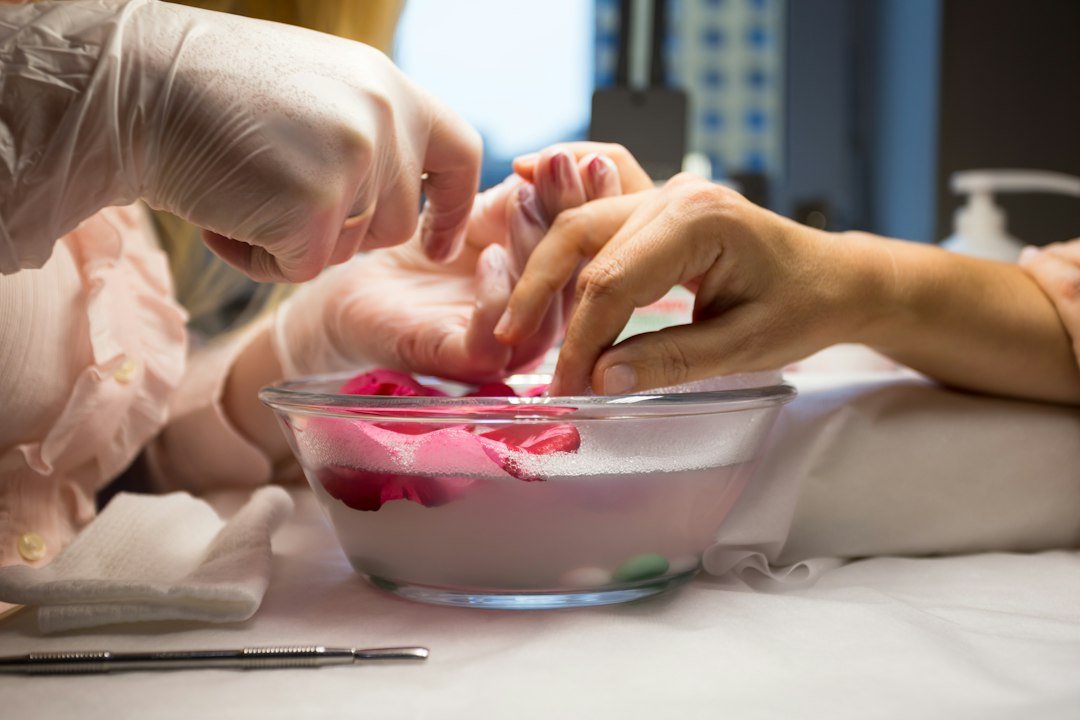
Paraffin Wax Benefits
- Deep softening: the wax seals in moisture and opens pores, so creams absorb better.
- Smoother cuticles and heels.
- Heat therapy: physiotherapists have long used paraffin baths to ease hand stiffness, for example in osteoarthritis.
- Relaxation and improved circulation while warm.
- Manicure and pedicure boost before polish.
What You Need
- A paraffin bath (thermostatically controlled) and cosmetic-grade paraffin
- Thermometer (if not built in)
- Plastic liners and insulated mitts or booties
- Gentle scrub, hand cream and cuticle oil
How to Do a Paraffin Wax Treatment at Home
- Melt the wax following the device instructions; it typically takes 1–3 hours.
- Check the temperature: cosmetic paraffin is usually used at around 52–54°C (125–130°F). Test a drop on your inner wrist first.
- Wash and dry hands or feet; remove jewellery.
- Apply a thin layer of lotion (optional) for extra softening.
- Dip slowly, keeping fingers slightly apart, then lift out and let the wax turn cloudy.
- Repeat 5–10 dips to build a thick layer.
- Wrap in a plastic liner and mitt for 10–20 minutes.
- Peel off the wax from the wrist downward and massage in any remaining moisture plus cuticle oil.
How Often Should You Use Paraffin Wax?
| Goal | Frequency |
|---|---|
| General softening | Once a week |
| Very dry or cracked skin (winter) | 2–3 times a week |
| Joint stiffness | As advised by your physiotherapist or doctor |
Who Should Avoid Paraffin Wax?
- People with poor circulation, diabetes or numbness in hands or feet, who may not feel burns (ask your doctor first).
- Anyone with open cuts, rashes, infections or eczema flares.
- Sensitivity to heat or a known wax allergy.
- Skin that’s sunburned or very sensitive.
Safety and Hygiene Tips
- Never heat paraffin in a microwave or directly on the stove; it’s flammable.
- Always test the temperature before dipping.
- Keep the bath covered between uses and replace wax regularly.
- At salons, ask whether wax is single-use or if dipping from a shared bath is hygienic.
Paraffin is also used in some lip masks for a similar softening effect. Smooth, hydrated lips show the best results after a lip flip. More self-care guides are on our blog.
Paraffin Wax FAQs
Is paraffin wax the same as candle wax?
Both are paraffin, but cosmetic paraffin is refined, has a lower melting point and often contains added oils. Never use candle wax on skin.
Can I reuse paraffin wax?
Personal-use wax can be re-melted if kept clean, but for hygiene, many people discard wax after use.
Does paraffin wax help arthritis?
Heat can temporarily ease stiffness and pain in hand arthritis, often before exercises. It doesn’t treat the disease itself.
Can I use paraffin on my face?
Some salons offer facial paraffin masks, but facial skin is delicate; avoid DIY hot wax on the face.
Sources