
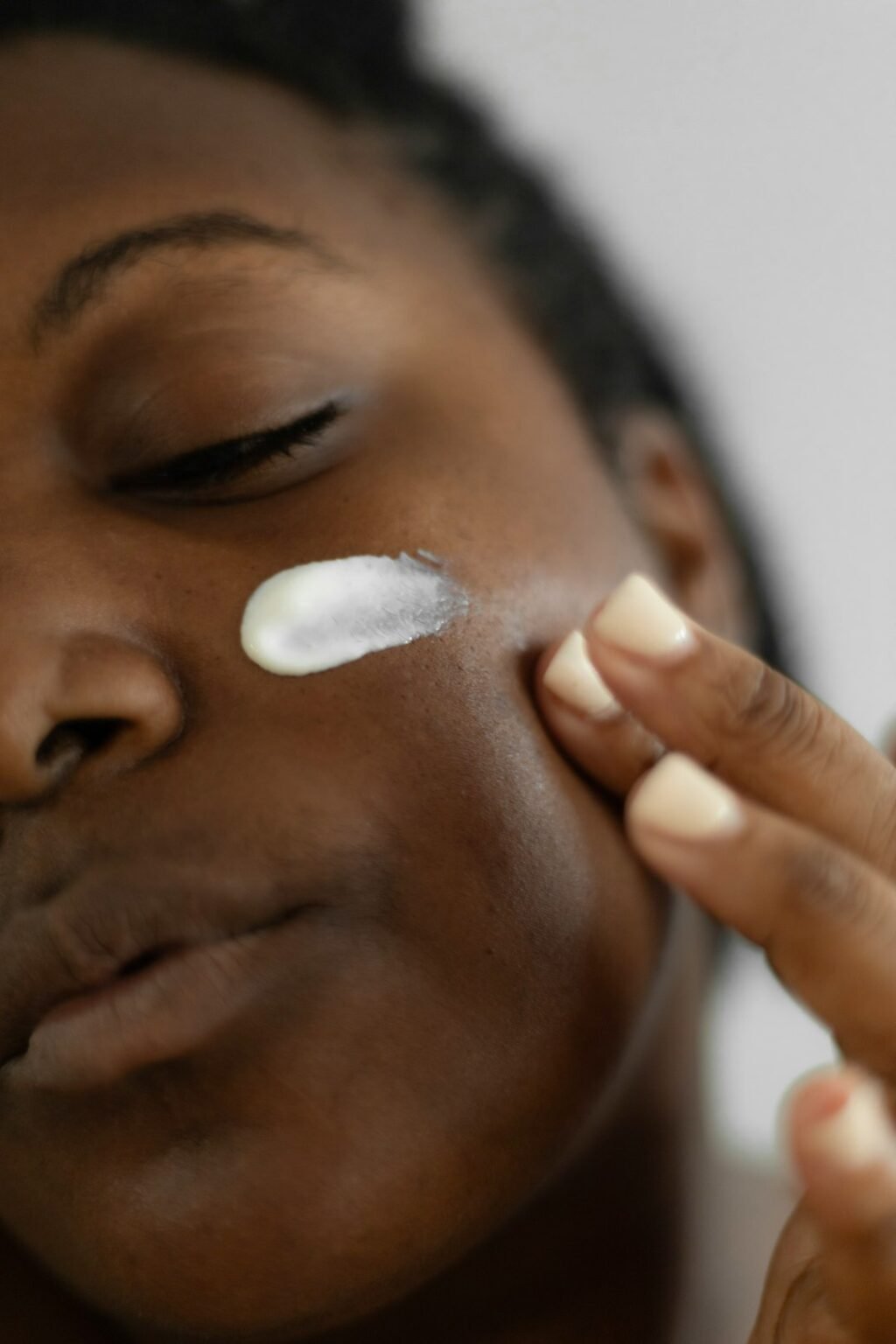
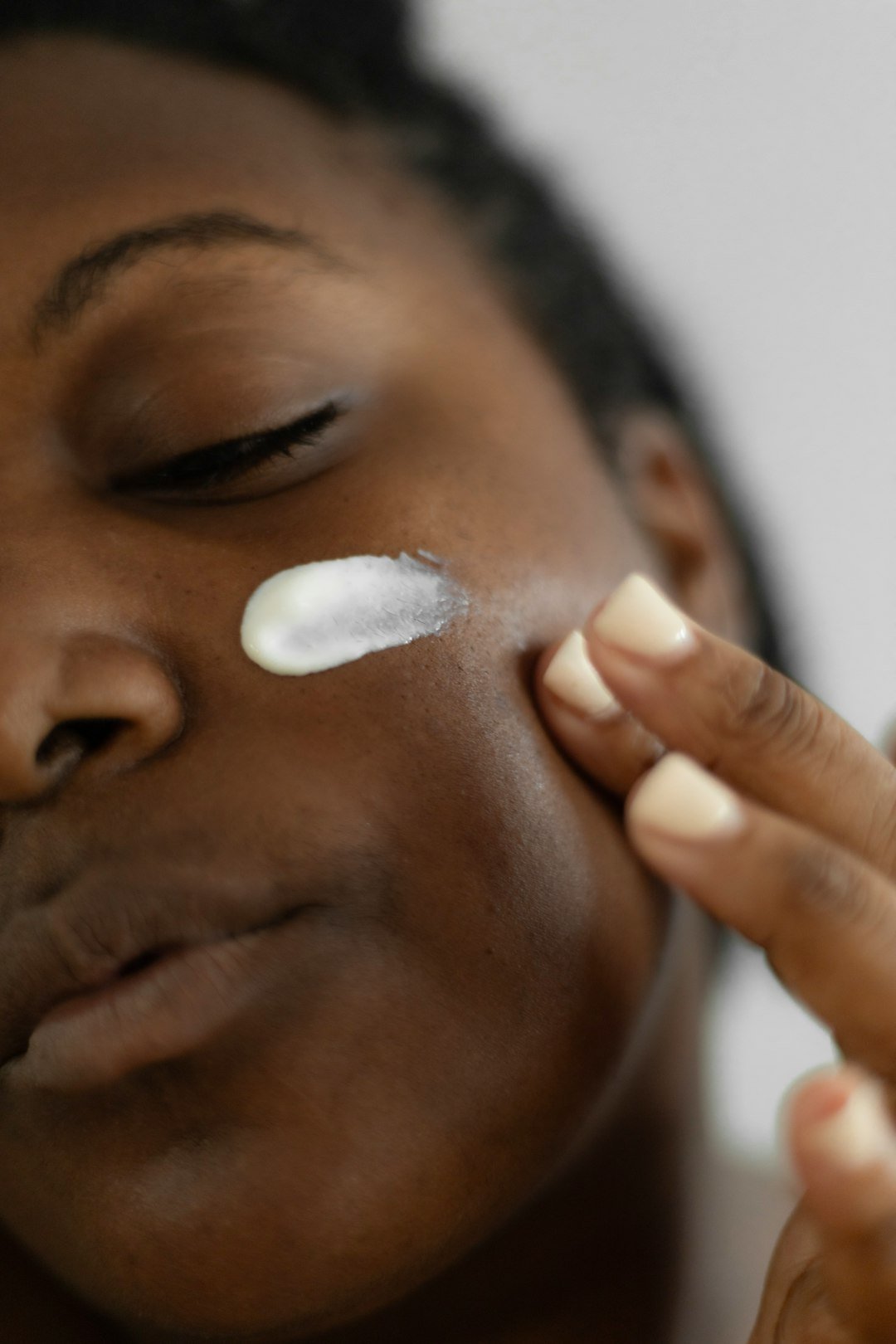
Finding the right dry skin treatment can transform skin that feels tight, rough, flaky or itchy. Dry skin (xerosis) happens when the outer skin barrier loses water and natural oils faster than it can replace them. The good news is that most cases respond well to gentle cleansing, the right moisturising ingredients and a few habit changes. This guide explains what causes dry skin, 12 proven remedies, ingredient comparisons, a morning and night routine, and when dryness may signal eczema or another condition.
General information only. See our medical disclaimer.
What Causes Dry Skin?
- Cold, dry air and indoor heating.
- Long, hot showers and harsh soaps.
- Ageing, as oil production drops.
- Over-exfoliating or strong actives (retinoids, acids).
- Frequent hand washing and sanitiser.
- Conditions such as eczema, psoriasis, hypothyroidism and diabetes.
- Some medicines, including diuretics and isotretinoin.
Best Ingredients for Dry Skin
| Type | Examples | What they do |
|---|---|---|
| Humectants | Glycerin, hyaluronic acid, urea, lactic acid | Draw water into the skin |
| Emollients | Ceramides, squalane, fatty acids, shea butter | Smooth and fill gaps in the barrier |
| Occlusives | Petrolatum, dimethicone, lanolin | Seal water in |
| Soothers | Colloidal oatmeal, panthenol, niacinamide | Calm itch and redness |
The most effective moisturisers combine all three main types. Thick creams and ointments in tubs or jars usually work better for very dry skin than thin lotions in pumps.
12 Dry Skin Treatment Tips That Work
- Keep showers short (5–10 minutes) and lukewarm.
- Switch to a fragrance-free, gentle cleanser or cleansing cream.
- Pat skin dry, leaving it slightly damp.
- Apply moisturiser within 3 minutes of bathing.
- Use a ceramide cream or ointment twice daily.
- Try urea (5–10%) or lactic acid creams for rough heels, elbows and “chicken skin”.
- Seal very dry patches with petroleum jelly at night (“slugging”).
- Run a humidifier in your bedroom.
- Wear gloves for cleaning and cold weather.
- Choose soft, breathable fabrics like cotton; avoid scratchy wool directly on skin.
- Use fragrance-free laundry detergent.
- Pause strong actives (retinoids, scrubs, acids) until the barrier recovers.
Simple Routine for Dry Skin
| Step | Morning | Night |
|---|---|---|
| 1 | Rinse with water or gentle cleanser | Gentle cream cleanser |
| 2 | Hydrating serum (hyaluronic acid, glycerin) | Hydrating serum |
| 3 | Ceramide moisturiser | Richer cream or balm |
| 4 | SPF 30+ | Occlusive on very dry areas |
Home Remedies: What Helps and What Doesn’t
- Colloidal oatmeal baths: well supported for itch relief.
- Coconut oil: can help body dryness; may clog pores on the face.
- Honey or aloe: soothing, but not a substitute for a moisturiser.
- Lemon, baking soda, vinegar: avoid; they irritate and disrupt skin pH.
- Drinking more water: important for health, but has limited effect on dry skin alone.
When to See a Doctor
- Dryness doesn’t improve after 2–3 weeks of good care.
- Intense itching disrupts sleep.
- Skin cracks, bleeds, oozes or shows signs of infection.
- Red, scaly patches could be eczema or psoriasis.
- Dryness comes with fatigue, weight change or feeling cold (possible thyroid issue).
Dry lips need care too; healthy, hydrated lips also show better results after cosmetic treatments like a lip flip. More skincare guides are on our blog.
Dry Skin Treatment FAQs
What is the fastest way to cure dry skin?
Stop harsh cleansers and hot water, and apply a thick ceramide cream or ointment to damp skin twice a day. Most people notice improvement within days.
Is dry skin the same as dehydrated skin?
Not exactly. Dry skin lacks oil; dehydrated skin lacks water and can happen even in oily skin. Many people have both.
Should I exfoliate dry skin?
Gently, once or twice a week, with a mild lactic acid or urea product, not harsh scrubs.
Can diet help dry skin?
Omega-3 fatty acids and a balanced diet support skin health, but topical care makes the biggest difference.
Sources