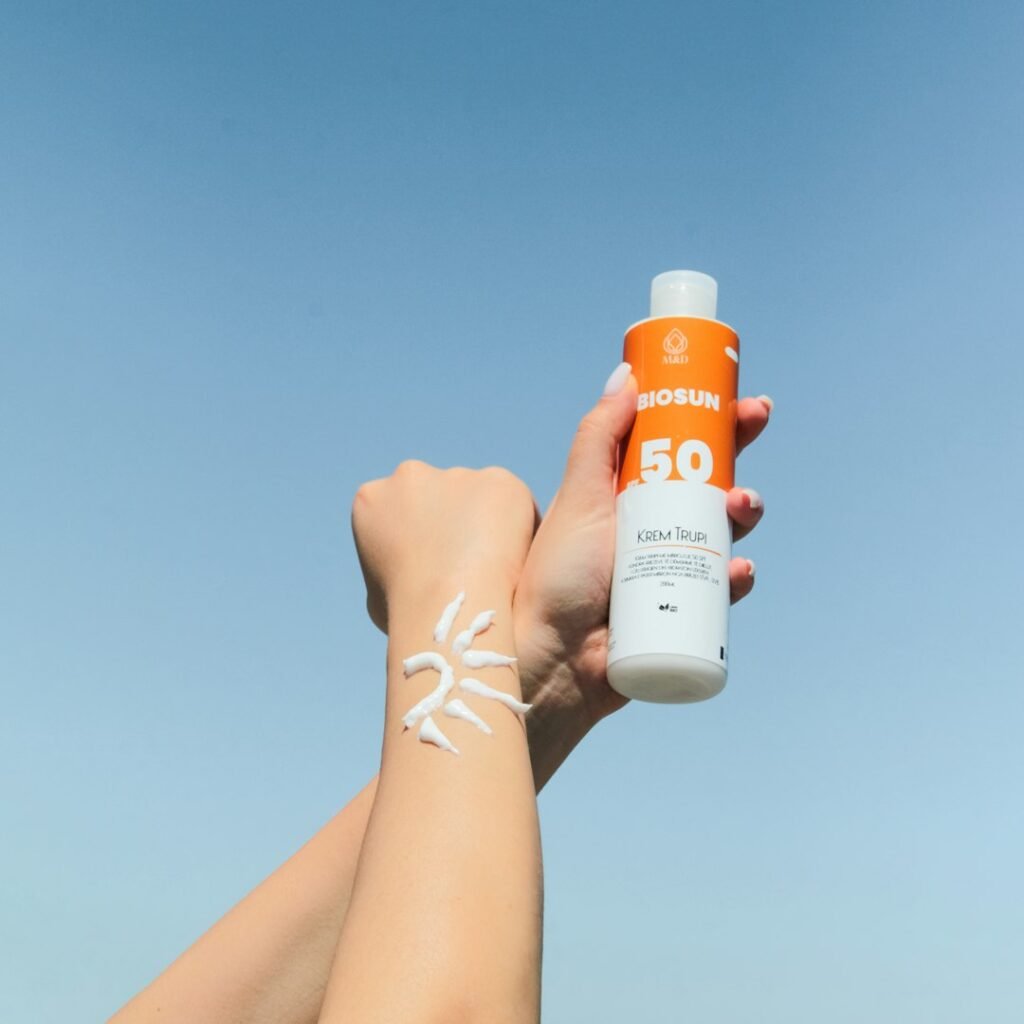
A centella sunscreen combines UV filters with Centella asiatica (also called cica or gotu kola), a plant extract famous in Korean skincare for calming redness and supporting the skin barrier. These sunscreens are popular with people who have sensitive, acne-prone or easily irritated skin, because they aim to protect and soothe at the same time. This guide explains what centella does, the types of centella sunscreen, how to read SPF and PA ratings, how to apply sunscreen correctly, and who will benefit most.
What Does Centella Do in Sunscreen?
- Soothes: compounds like madecassoside and asiaticoside help calm redness and irritation.
- Supports the barrier: may help skin retain moisture.
- Antioxidant activity: helps counter some environmental stress.
- Wound-healing support: traditionally used to aid skin repair.
Important: centella itself does not block UV rays. Protection comes entirely from the UV filters, so the SPF and broad-spectrum rating matter most.
Mineral vs Chemical Centella Sunscreens
| Mineral (physical) | Chemical (organic filters) | |
|---|---|---|
| Filters | Zinc oxide, titanium dioxide | Avobenzone, octocrylene, newer filters like bemotrizinol |
| Feel | Thicker, may leave a white cast | Lightweight, invisible |
| Best for | Very sensitive or reactive skin, kids | Daily wear under makeup, deeper skin tones |
| Irritation risk | Lowest | Low to moderate |
How to Choose a Centella Sunscreen
- SPF 30 or higher for daily use; SPF 50 for long outdoor days.
- Broad spectrum or a high PA rating (PA+++ or PA++++) for UVA protection.
- Fragrance-free if your skin is sensitive.
- Non-comedogenic for acne-prone skin.
- Water resistance (40 or 80 minutes) for sport and swimming.
- Buy from trusted retailers; independent testing has occasionally found that some sunscreens didn’t meet their labelled SPF.
SPF and PA Ratings Explained
| Rating | Measures | What it means |
|---|---|---|
| SPF 30 | UVB (burning) | Blocks about 97% of UVB |
| SPF 50 | UVB | Blocks about 98% of UVB |
| PA+ to PA++++ | UVA (ageing, pigment) | More plus signs = more UVA protection |
| Broad spectrum | UVA + UVB | US label for passing UVA testing |
How to Apply Sunscreen Correctly
- Apply as the last step of your morning skincare, before makeup.
- Use about a quarter teaspoon (the “two-finger” rule) for face and neck.
- Don’t forget ears, hairline, eyelids and lips (use an SPF lip balm).
- Apply 15 minutes before sun exposure.
- Reapply every 2 hours outdoors and after swimming or sweating.
Who Should Use a Centella Sunscreen?
- Sensitive or redness-prone skin.
- Acne-prone skin, especially during retinoid or acid treatments.
- Skin recovering from procedures such as microneedling, lasers or peels (ask your clinician first).
- Anyone wanting a lightweight, Korean-style daily SPF.
Daily sunscreen is the most effective anti-ageing step and protects results from cosmetic treatments too. Learn more in our lip flip longevity guide, or browse more skincare on our blog.
Centella Sunscreen FAQs
Is centella sunscreen good for acne?
It can be, especially lightweight, non-comedogenic formulas. Centella may calm inflamed spots, but it isn’t an acne treatment on its own.
Can I use centella sunscreen every day?
Yes. Daily use, including on cloudy days and indoors near windows, is recommended.
Does centella sunscreen leave a white cast?
Chemical-filter versions usually don’t; mineral versions may, especially on deeper skin tones. Tinted mineral formulas help.
Is cica the same as centella?
Yes. “Cica” is a common nickname for Centella asiatica in skincare.
Sources