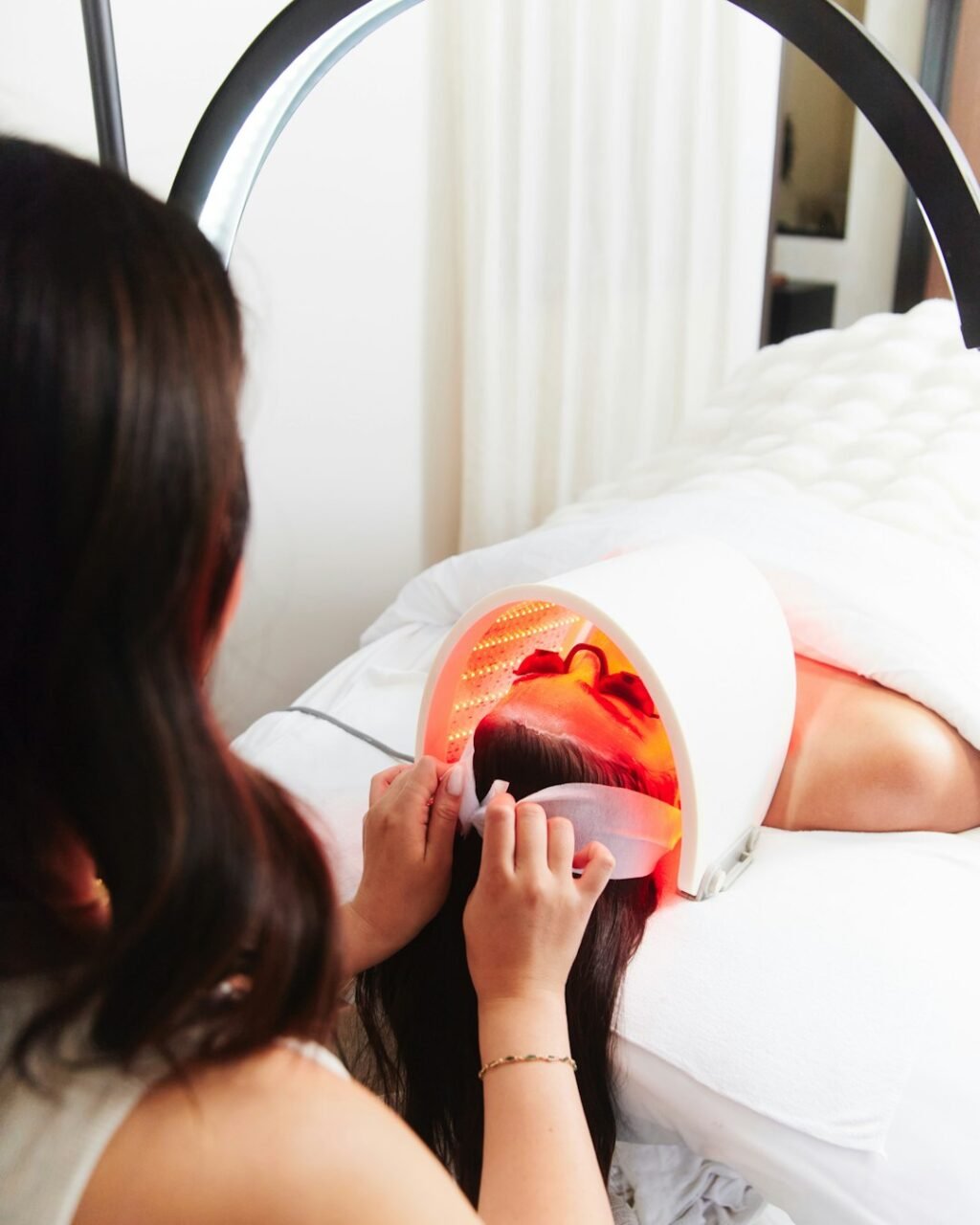
The best-supported red light therapy benefits are smoother skin with fewer fine lines, less redness, and thicker hair in people with mild thinning, according to dermatologists at Cleveland Clinic and Stanford Medicine. Red light therapy (also called photobiomodulation or low-level light therapy) shines low-energy red or near-infrared light onto the skin, which is thought to boost blood flow and collagen and calm inflammation. Results are gradual, need consistent use, and fade if you stop, and many popular claims, such as better sleep or athletic performance, are not yet proven.

Red Light Therapy Benefits: What the Evidence Shows
| Claimed benefit | Strength of evidence | What to expect |
| Fine lines and wrinkles | Good | Gradual smoothing and plumper skin after weeks to months |
| Mild hair thinning | Good | Thicker hair after several months of regular use |
| Redness and inflammation | Moderate | Calmer-looking skin with consistent use |
| Acne (usually with blue light) | Moderate | Fewer inflamed spots; often used alongside other treatments |
| Wound and scar healing | Mixed | Some studies show faster early healing, but results conflict |
| Sleep, sports performance | Weak | Not proven |
| Chronic pain, dementia, weight loss | Not validated | Do not rely on it for these |
How Red Light Therapy Works
Devices typically use red light (around 630 to 660 nanometres) and sometimes near-infrared light (around 800 to 880 nanometres), which reaches a little deeper. Unlike UV light, it does not tan or burn the skin. Researchers believe it widens small blood vessels and supports the energy production of skin cells, which may increase collagen, speed repair and reduce inflammation. Dermatologists also use red light together with a topical drug (photodynamic therapy) for some precancerous skin spots, but red light alone does not treat skin cancer.
7 Red Light Therapy Benefits Explained
1. Fewer Fine Lines and Wrinkles
Blinded clinical trials have reported increased collagen and smoother, plumper skin with regular treatments. This is one of the most reliable red light therapy benefits, but changes are subtle, not dramatic.
2. Thicker Hair in Mild Hair Loss
Red light caps and combs can help some people with mild thinning by keeping hair in its growth phase longer. It needs months of consistent use and works best where follicles are still active; it is unlikely to regrow completely bald areas.
3. Calmer, Less Red Skin
Its anti-inflammatory effect may reduce general redness over time.
4. Support for Acne-Prone Skin
Red light is often paired with blue light, which targets acne bacteria, while red light calms inflammation. It works best as an add-on to a proper skincare routine.
5. Healing After Procedures
Some clinics use it after treatments like microneedling to calm the skin. Evidence for faster healing is mixed, so think of it as a possible bonus rather than a guarantee.
6. More Even-Looking Skin Texture
Better collagen support may make skin look smoother and more radiant over time.
7. Gentle, Low-Risk Treatment
Compared with lasers or peels, red light therapy has no downtime and a low risk of side effects when used correctly.
At-Home Devices vs In-Clinic Treatment
| At-home (masks, panels, caps) | In-clinic | |
| Power | Lower | Higher |
| Session length | Usually 10 to 20 minutes | Set by the clinician |
| Frequency | Often 3 to 5 times a week | Often 1 to 2 times a week for a course |
| Cost | One-off device cost | Per session or package |
| Results | Slower; depends on consistency | Faster, more controlled |
Look for FDA-cleared devices, but remember that clearance mainly shows a device is safe, not that it works well. Devices vary widely in wavelength and strength, so follow the manufacturer’s instructions exactly.
How to Use Red Light Therapy Safely
- Start with clean, dry skin with no thick creams that block light.
- Protect your eyes: never look directly into the light and use goggles if supplied.
- Follow the time and distance on the device; more is not better.
- Use it consistently for at least 8 to 12 weeks before judging results.
- Keep using sunscreen daily; red light does not replace sun protection.
Who Should Avoid Red Light Therapy?
- People with light-sensitive conditions, such as those who blister or burn easily in the sun.
- People taking medicines that increase light sensitivity, such as certain antibiotics, acne medicines or blood pressure drugs.
- Anyone with an unexplained or changing skin spot; see a dermatologist first.
- Pregnant women and people with eye conditions should ask their doctor before using it.
Red Light Therapy and Cosmetic Treatments
Red light therapy improves skin quality, but it does not change lip shape or volume. If your goal is a fuller-looking upper lip, treatments like a lip flip or filler work differently; see our lip flip vs lip filler guide. Ask your injector before using a light device right after injections.
Red Light Therapy FAQs
How long does it take to see red light therapy benefits?
Most people need 8 to 12 weeks of regular use for skin changes, and several months for hair.
Is red light therapy safe to use every day?
Many home devices are designed for daily or near-daily use. Follow the instructions for your specific device.
Do the results last?
Benefits seem to last only while you keep using it. When treatment stops, the effects gradually fade.
Can red light therapy damage skin?
Serious side effects are rare when used as directed. The main risk is to the eyes if you look directly into the light.
This article is for general information. See our medical disclaimer and talk to a dermatologist before starting a new treatment.
Sources: Cleveland Clinic: Can red light therapy improve your skin and hair?; Stanford Medicine: Red light therapy for skin and hair; Cleveland Clinic: LED light therapy.