

The wolf cut is a heavily layered haircut that mixes the choppy texture of a shag with the short-top, long-back shape of a mullet. It has shorter layers at the crown, longer lengths at the sides and back, and a messy, slightly wild finish. It started in South Korea, spread worldwide on TikTok and Instagram, and is now a salon staple for women and men with almost any hair type.
This guide covers everything you need before your appointment: what makes a wolf cut different from similar cuts, which version suits your face shape and hair type, exactly what to say to your stylist, and how to style and maintain it at home.
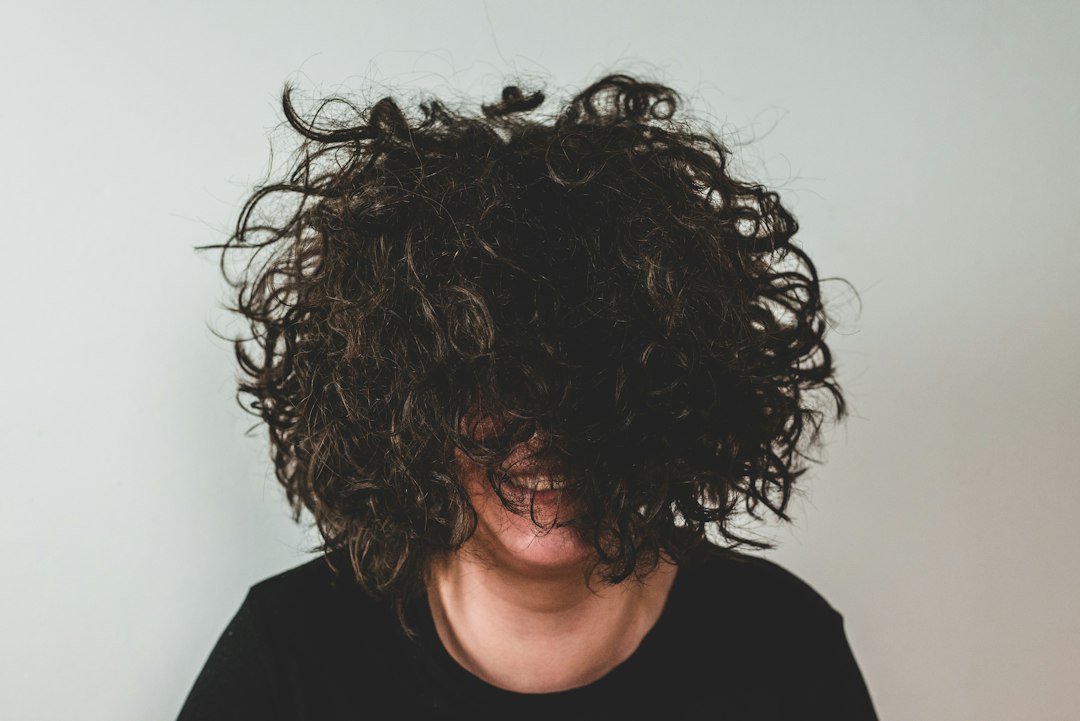
Wolf Cut at a Glance
| Shape | Short, choppy crown layers; longer sides and back |
| Best hair types | Wavy and curly; works on straight and fine hair with softer layers |
| Ideal starting length | Chin length or longer |
| Bangs | Optional: curtain, wispy or blunt |
| Daily styling | 5 to 15 minutes with texture products |
| Trims | Every 6 to 8 weeks (short) or 8 to 12 weeks (long) |
| Grow-out | Medium difficulty; easier than a pixie, harder than long layers |
What Is a Wolf Cut?
A wolf cut is built around contrast. The stylist cuts short, textured layers through the crown and top of the head to create height and volume, then leaves the sides and back longer so the lengths taper and thin out toward the ends. The front is usually finished with face-framing pieces or a fringe that sits around the brows.
The name comes from the shaggy, untamed look of a wolf’s coat. The style draws on 1970s and 1980s rock looks, but the modern wolf cut is softer and more blended than a classic mullet, so it looks intentional from the front and the side.
Where the Wolf Cut Came From
The wolf cut first became popular in South Korea, where it was worn by idols and stylists, before TikTok and Instagram turned it into a global trend around 2021. Celebrities helped it spread: Miley Cyrus wore a wolf-style cut to a Los Angeles museum gala in November 2021, and Billie Eilish has worn versions with bold colour and blunt bangs.
Wolf Cut vs Shag vs Mullet vs Butterfly Cut
These cuts are often confused because they all use layers. The difference is where the layers go and how much contrast there is.
| Cut | Shape | Look | Main risk |
| Wolf cut | Short crown, longer back, choppy layers | Messy volume, edgy | Too much bulk on top, thin ends |
| Shag | Choppy layers all over | Soft, textured, retro | Frizz if over-layered |
| Mullet | Short front and sides, long back | Strong contrast, bold | Back can look disconnected |
| Butterfly cut | Long, blended face-framing layers | Soft, bouncy, polished | Can look flat on fine hair |
In short: a wolf cut sits between a shag and a mullet. If you want something gentler, a butterfly cut or face-framing layers give movement with less commitment.
12 Wolf Cut Styles to Try
- Long wolf cut: layers start at the cheekbones and run past the shoulders. The most wearable version and the easiest to grow out.
- Medium (shoulder-length) wolf cut: the classic look, with clear crown volume and visible layers.
- Short wolf cut: chin length or shorter, closer to a mullet. Needs trims every 6 weeks.
- Wolf cut with curtain bangs: parted bangs soften the face and grow out easily.
- Wolf cut with blunt bangs: a bolder, more graphic look for straight hair.
- Curly wolf cut: the layers boost curl definition and remove weight. Best cut dry or by a curl specialist.
- Wavy wolf cut: the easiest match, because waves add texture naturally.
- Straight-hair wolf cut: layers show clearly, so blending must be precise. Texture spray is essential.
- Soft wolf cut for fine hair: fewer, longer layers and a fuller perimeter so the ends do not look thin.
- Men’s wolf cut: usually shorter at the sides with a textured top and length at the neck.
- Colourful wolf cut: money-piece highlights or bold colour make the layers stand out.
- Wolf cut mullet: more contrast between a short top and long back, for an edgier finish.
Best Wolf Cut for Your Face Shape
| Face shape | What to ask for |
| Oval | Almost any wolf cut works; choose by hair texture |
| Round | Height at the crown and longer face-framing pieces to lengthen the face |
| Square | Soft curtain bangs and layers around the cheekbones to soften the jaw |
| Heart | Curtain bangs and side pieces that skim the jaw to balance a wider forehead |
| Long | Brow-length fringe and volume at the sides, with less height on top |
| Diamond | Soft pieces at the cheekbones and less bulk at the widest point |
Does a Wolf Cut Suit Your Hair Type?
- Wavy: the easiest match. Waves give the cut its texture with little effort.
- Curly: works very well, but plan for shrinkage, especially with bangs. Ask for the cut to be done dry or checked dry.
- Coily: focus on the overall outline rather than copying straight-hair photos.
- Straight: possible, but needs good blending and daily texture products to avoid a flat, stepped look.
- Fine or thin: ask for soft, blended layers and avoid very short crown layers, which can make hair look thinner.
How to Ask Your Stylist for a Wolf Cut
- Bring three photos: front, side and back, ideally of someone with a similar hair type and density to yours.
- Use the right words: “volume at the crown, choppy textured layers, shorter on top and around the face, longer at the back, blended so it doesn’t look disconnected.”
- Decide on bangs: curtain bangs are the safest first choice because they grow out easily.
- Say how much time you have: if you will not style it daily, ask for a softer version.
- Listen to their advice: a good stylist will adapt the cut to your hair, which matters more than matching a photo exactly.
How to Style a Wolf Cut at Home
- Wash, then squeeze out water with a microfibre towel until hair is about 80% dry.
- Apply heat protectant, then mousse at the roots for volume. Curly and wavy hair can use curl cream instead.
- Blow-dry the roots upward with a round brush, or use a diffuser on curls.
- For straight hair, add loose bends with a curling iron, alternating directions.
- Scrunch in texture spray, then finish with a light-hold hairspray held about 15 cm (6 inches) away.
Products That Work Best
- Texturising or sea salt spray for grit and separation
- Volumising mousse for root lift
- Curl cream for wavy and curly hair
- A small amount of matte paste or pomade for short and men’s wolf cuts
- Heat protectant whenever you use hot tools
Wolf Cut Maintenance and Grow-Out
A wolf cut is not wash-and-go. Plan on trims every 6 to 8 weeks for short or dramatic versions and every 8 to 12 weeks for long ones, so the layers stay defined. Hair grows about 1 cm a month on average, so the crown layers lose their shape within two to three months.
To grow it out, keep trimming the ends and neckline while the crown and face pieces catch up. Curtain bangs blend in faster than blunt ones. Avoid hiding the awkward stage in very tight ponytails every day, because repeated pulling can contribute to traction hair loss.
Common Wolf Cut Mistakes
- Copying a photo with different hair: thick hair in a photo will look different on fine hair.
- Cutting the crown too short: it can look like a round cap on top.
- Ignoring the side view: the profile shows whether layers are blended.
- Cutting it yourself: DIY wolf cut videos make it look easy, but uneven layers are hard to fix without losing length.
- Using layers to hide damage: layers will not fix breakage or dryness. Treat the hair too.
Wolf Cut FAQs
Is a wolf cut still in style?
Yes. The extreme version has calmed down, but softer, longer wolf cuts and “wolf cut with curtain bangs” remain popular salon requests.
Can you get a wolf cut with thin hair?
Yes, if the layers are kept soft and the ends are left full. Very short, choppy crown layers usually make thin hair look thinner.
What is the difference between a wolf cut and a mullet?
A mullet has a sharp jump from short front and sides to a long back. A wolf cut blends those lengths with choppy layers, so it looks softer and more connected.
How long does hair need to be for a wolf cut?
Chin length or longer is ideal. Shoulder-length hair gives the classic look, while long hair gives the most dramatic layers.
Is a wolf cut high maintenance?
Moderately. It needs a few minutes of styling with texture products most days and regular trims to keep the shape.
For more beauty guides, browse our beauty blog.
Sources: MasterClass: How to maintain and style wolf cut hair; John Frieda: Wolf cuts; Perfect Corp: Wolf cut hair trend; GoHairWow: Wolf cut guide.